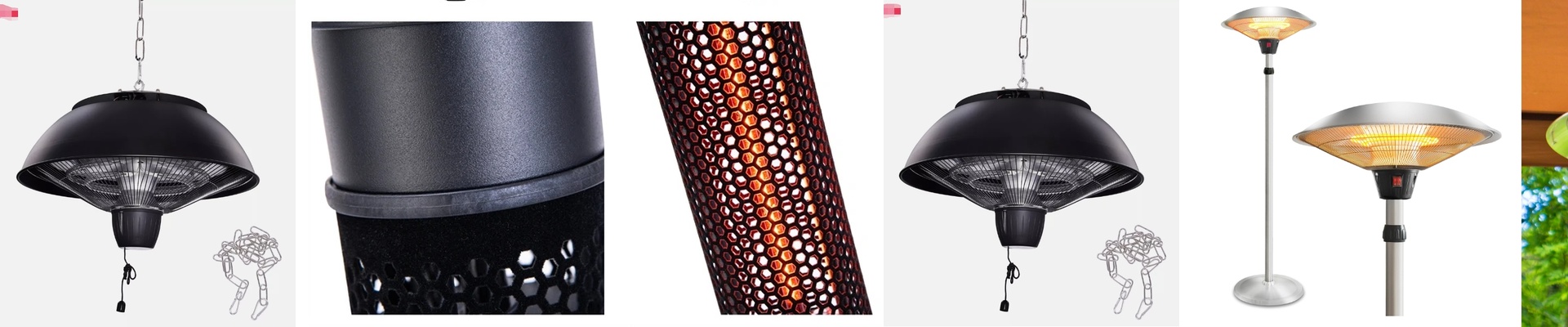

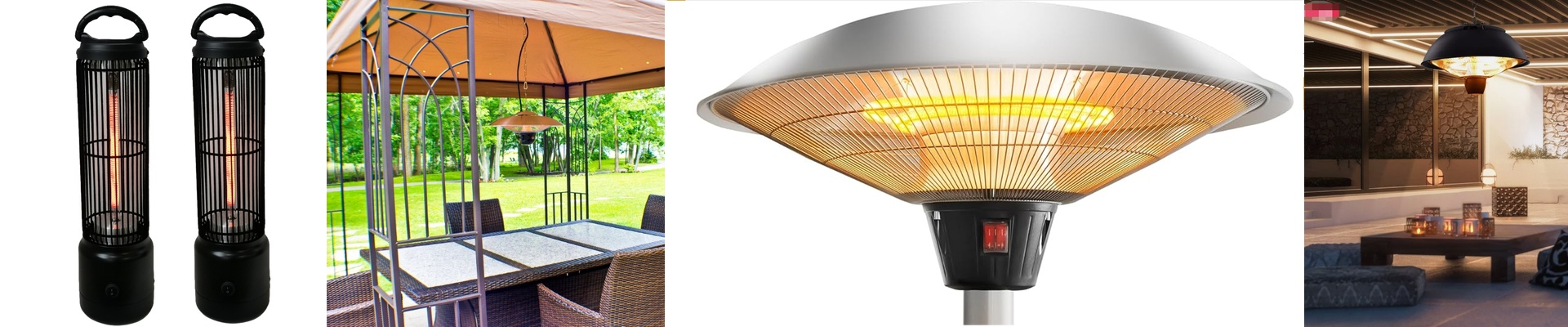
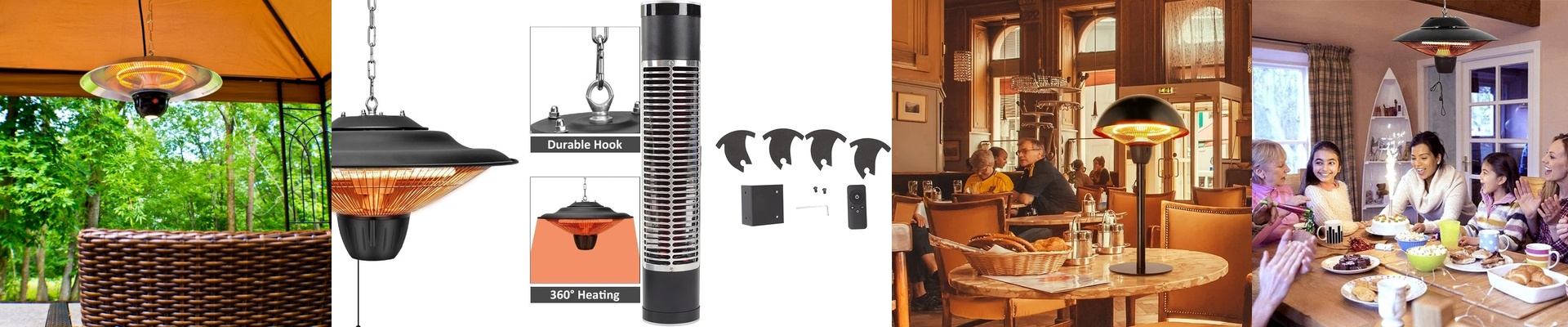

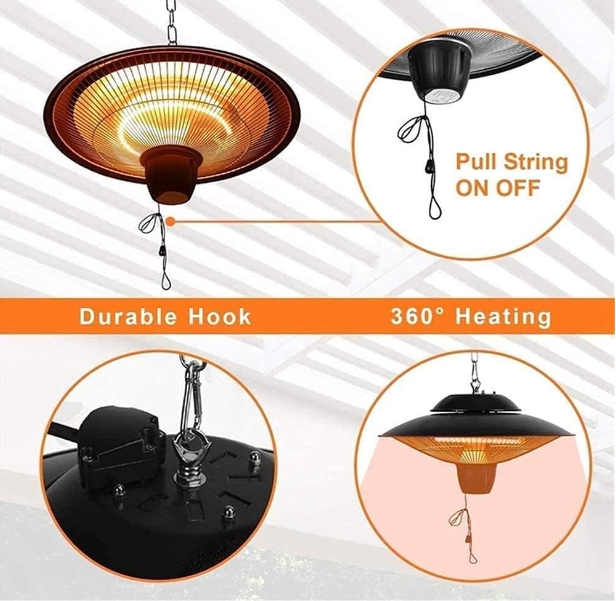
Introduction
We built this electric infrared heater with one very specific thought in mind: art galleries and museums. These places have impossible demands. You need to keep people comfortable, but you absolutely can’t risk the heat harming the collections. So, we set out to create something different. It’s not just a heater for a room. It’s a precision tool for managing warmth.
The Secret Sauce: Power and Precision
Here’s the thing about how this works. It uses radiation, not the hot-air-blowing method. That means no moving air to stir up dust or create annoying drafts. And the power? It’s focused. A 2500W output from a standard 400V line gives you a lot of heat in a small package. This makes it easy to fit into tight spots, whether you’re mounting it on a ceiling or a wall, without having to rewire the whole building. The best part is the control. The heat beam is directional. You point it exactly where you need it. So, you can keep the overall room temperature low—perfect for preserving the art—while the people in the direct beam feel perfectly cozy.
What’s Inside: The Heart of the Machine
Let’s get into the guts of it. The core is a quartz tube, filled with halogen gas. Quartz is tough. It can handle the shock of turning on and off quickly without cracking, which is a huge win for easy maintenance. The halogen gas is the real hero, though. It recycles the tungsten filament, keeping the tube clean and the heat output steady over time. We paired this with an R7s connector. It’s a reliable, two-pin ceramic base that locks in tight. It handles the high heat at the connection points without melting or sparking. The whole tube is also sized perfectly to work with the reflector, so all that warmth shoots forward in a clean line, not spilling out the sides.
The Real Win: Protecting What Matters
Galleries and museums can’t take chances. Pigments, textiles, and delicate organic materials are incredibly sensitive. Infrared heat is a game-changer because it warms objects and people directly, not the air around them. That means no drying out the air, no humidity swings, and no dust circulating. The one thing you need to plan for is the directionality. Since the heat is focused, you just have to make sure you point it where you want it and avoid hitting a sensitive surface. But once you have the layout right, it’s effortless. The unit turns on instantly, with no waiting around, and it runs completely silent. It’s a simple, drop-in solution that keeps everyone comfortable, saves on energy, and—most importantly—keeps your collection safe and stable.