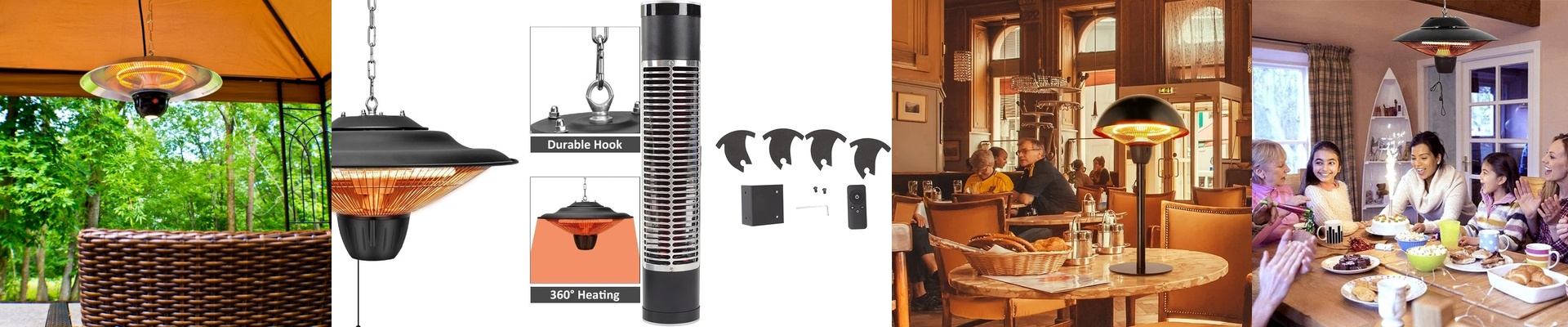
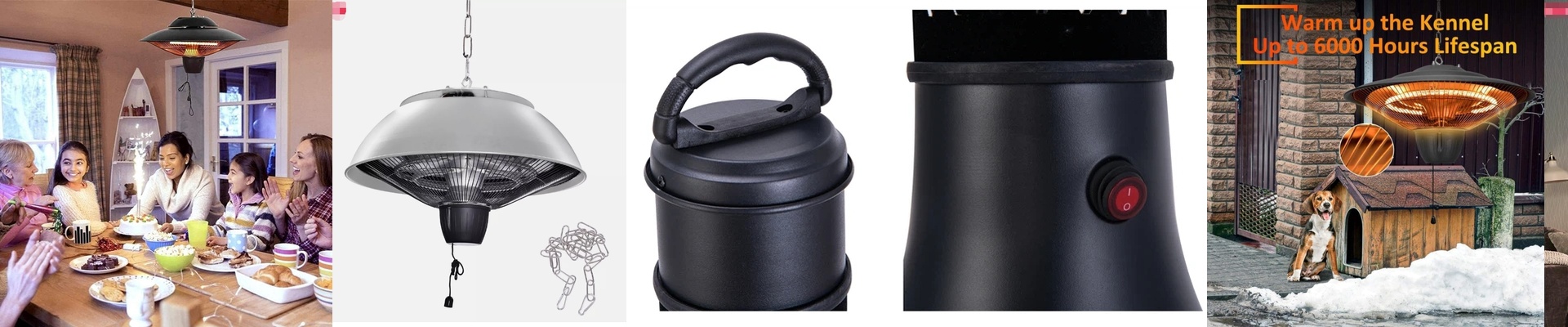
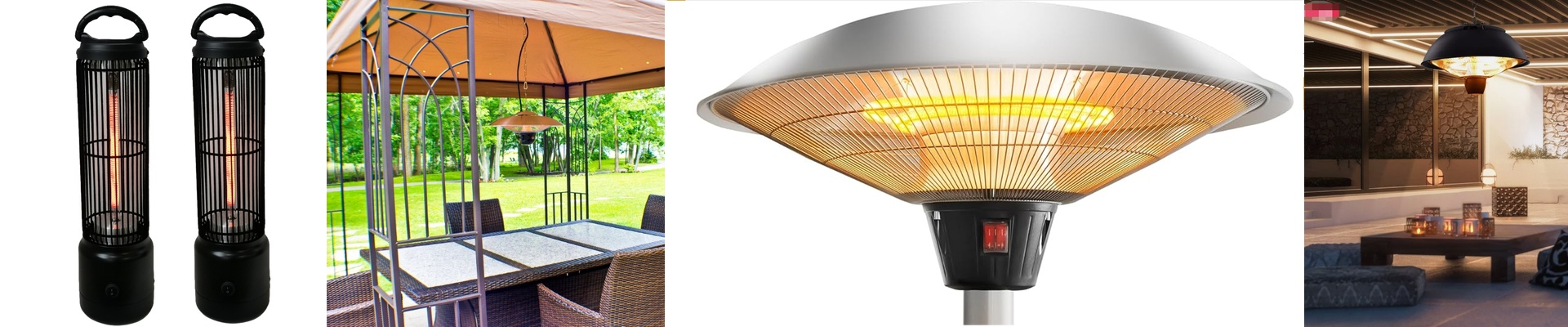
A cold wind turns an open-air terrace into a corridor. Guests step in, see the empty tables, and back out. You know what follows: fewer covers, slower service, and a staff that ends up waiting around instead of working the floor. For an outdoor restaurant, winter heating isn’t a perk—it’s capacity. Put the right infrared heaters in place, and you make the space usable, comfortable, and profitable.
What actually matters, technically
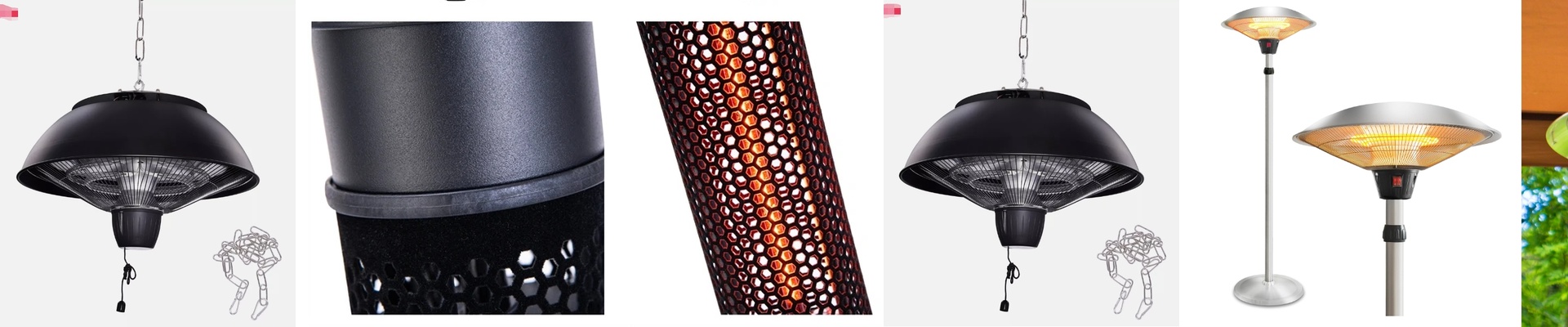
We build our top-selling infrared heaters around a carbon fiber element inside a high-transmission quartz tube. That pairing delivers radiant heat that warms people and surfaces directly, not the air between. In real life, that means warmth starts the moment you flip the switch—no long warm-up, no heat disappearing into drafts. These units are sized for commercial terraces: 1500W and 2000W models are typical, running on standard 220–240V circuits and coming with a solid plug for straightforward hookup. A built-in thermostat keeps comfort consistent, and tip-over protection shuts the heater off if it gets knocked over. For outdoor reliability, look for an IP rating that keeps rain and dust out.
Why this works for an outdoor restaurant
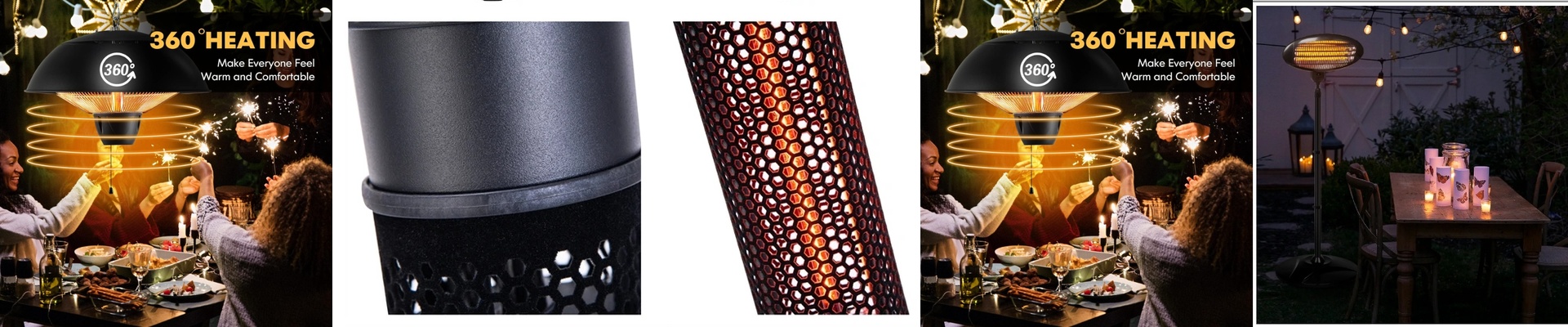
Out here, the job is simple: keep guests warm enough to stay, then turn the table fast for the next party. Infrared warmth does exactly that—comfort at the seat, not a blanket of hot air up top. People linger, order more, and come back. That comfort hits the business side directly. Tables turn quicker because customers aren’t waiting around for the next warm spot. Service runs smoother, and staff morale improves when the space feels welcoming instead of punishing. Radiant heat is inherently direct, so you get a comfortable experience without trying to heat the entire volume of air.
What you need to know on the install side
Plan for even coverage. Mount heaters at a height that puts warmth across the seating area, not above people’s heads, and space them so you don’t get cold spots. Most units are designed for hardwired or plug-in installation on standard circuits, but you still have to confirm local electrical codes and the load capacity of your system. One practical reality: infrared heats people and objects extremely well, but it won’t warm cold air. In very windy conditions, add wind shields or position heaters to reduce direct exposure. Handle that, and winter becomes a season you can plan for—not one you just survive.