On the glass line, nano coating drying is where throughput and yield fight it out. If the curing profile drifts even a little, you start seeing micro-defects in the coating, uneven emissivity, and the risk of thermal stress fractures—especially on tempered and curved parts. Convection ovens just can’t respond fast enough, and conventional lamps often create hot and cold spots that show up as optical distortion after lamination or final inspection.
What matters, technically
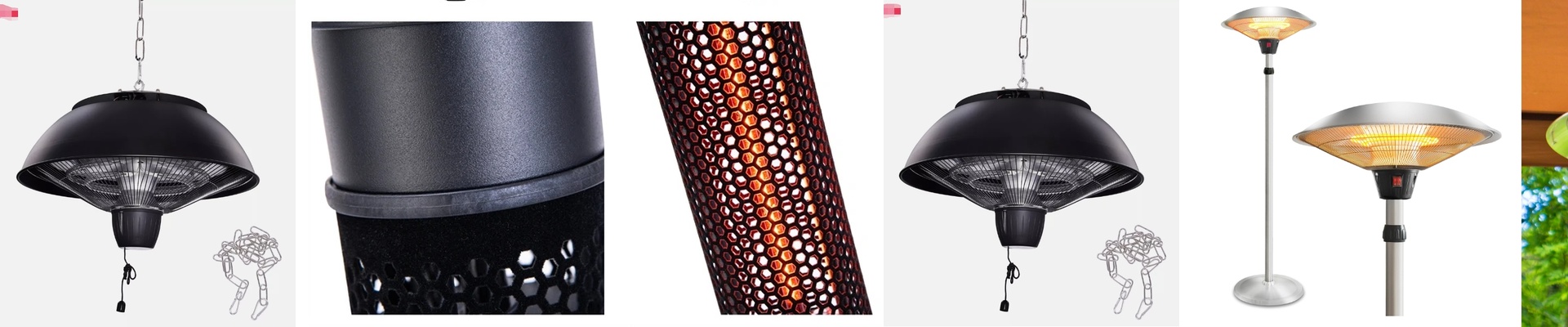
This nano coating drying lamp leans on short-wave infrared (NIR), tuned to heat thin coatings volumetrically without cooking the substrate. The quartz envelope handles thermal shock, and the reflector geometry lays down a uniform thermal field across the glass. It comes up to full power in seconds, so it keeps pace with line speed without waiting around for temperature recovery. That means repeatable cure profiles with tighter temperature band control—exactly what you need when you’re running multiple glass thicknesses and different coating stacks.
Why it fits the process
In glass processing, drying has to keep up with tempering and bending cycles. The NIR lamp hits target temperature fast, cuts dwell time, and shortens changeover. Uniform radiation reduces localized overheating, which helps protect edge integrity and lowers rejects from stress-related breakage. Energy use drops because the energy goes straight into the coating, not into heating air and fixtures. We’ve got units running 5,000+ hours with less than 5% output drop, and the modular design lets you do drop-in replacement in many OEM heating stations.
The details that make the difference
Installation is straightforward, but alignment is critical. You have to match the lamp to the glass width and keep a consistent standoff; otherwise, you’ll see banding in the coating. The lamp needs a stable power supply and proper cooling to keep quartz and reflector temperatures in range. It’s optimized for coatings that absorb well in NIR. If you’re running highly reflective or transparent coatings, you may need a different spectral profile or a two-stage cure. Plan the line layout around that, and you’ll get consistent drying without slowing the line.