


Introduction
We built these industrial infrared heaters for one simple reason: to tackle the heating problems that regular air systems just can’t touch. If you’re a wholesaler or trader, you need a unit that’s reliable, code-compliant, and gets installed quickly—one that just keeps going, even under heavy, continuous use. Our CE-certified line was designed with you in mind.
Getting to the Good Stuff
Sizing an infrared heater comes down to two things: how much heat you need and the electrical setup you have. Our units run on standard industrial voltages, so you get predictable power from a compact footprint. That makes it easy to match the heater to the exact space and temperature rise you need, without overloading your electrical system. And the design? The heating element, reflector, and housing all work together so the heat goes right where you want it—on the target. Not wasted on the air around it.
What’s Inside
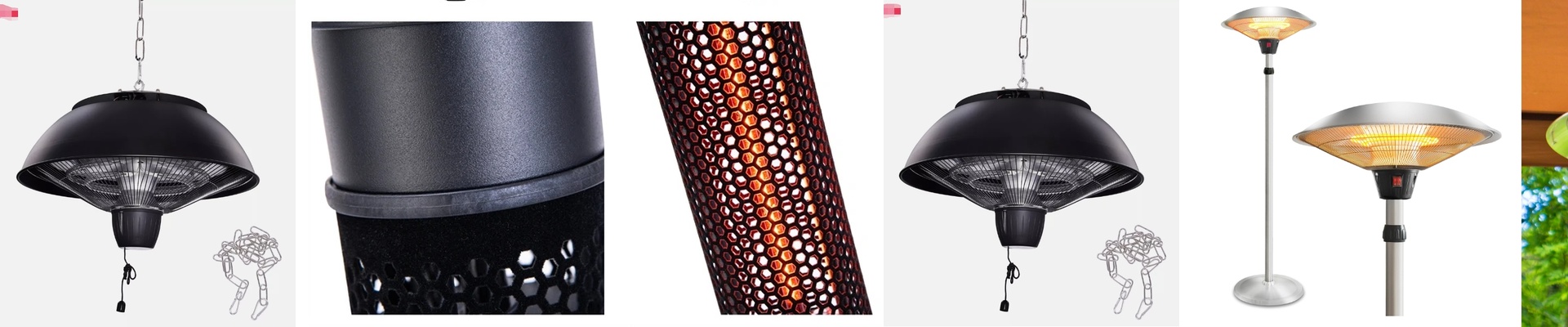
We use halogen-based infrared elements inside a quartz envelope. Why? Because they deliver steady output and respond fast. The coating on the tube is built to handle repeated heating and cooling, which helps prevent those hot spots that lead to failure. For the electrical connection, we use an R7s connector—an industrial standard. It gives you a solid, low-resistance connection, and makes replacement a breeze when you’re swapping out existing fixtures. And the housing? It’s built to hold its ground against vibration and dust, so it stays aligned and keeps doing its job.
Where It Shines
These heaters shine in industrial spots where you need immediate, focused radiant heat—on equipment, materials, or a specific work zone. You get a lot of heat from a small footprint, which cuts down on installation time and wiring hassle. Plus, the CE certification means the unit meets the safety and compliance standards you need, whether you’re shipping across markets or installing for an end user. Now, here’s the honest part: high output density means you do need to plan for proper cooling and ventilation. Set up your airflow and clearances right from the start, and you won’t end up with hot ambient temps around the heater. But when you spec it correctly and wire it up, you get heating that’s consistent. Day after day. No surprises.