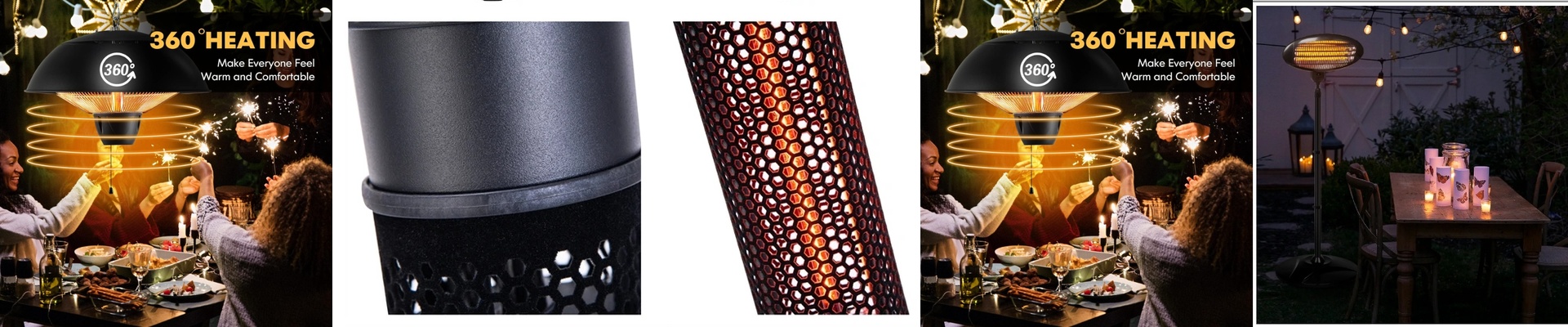
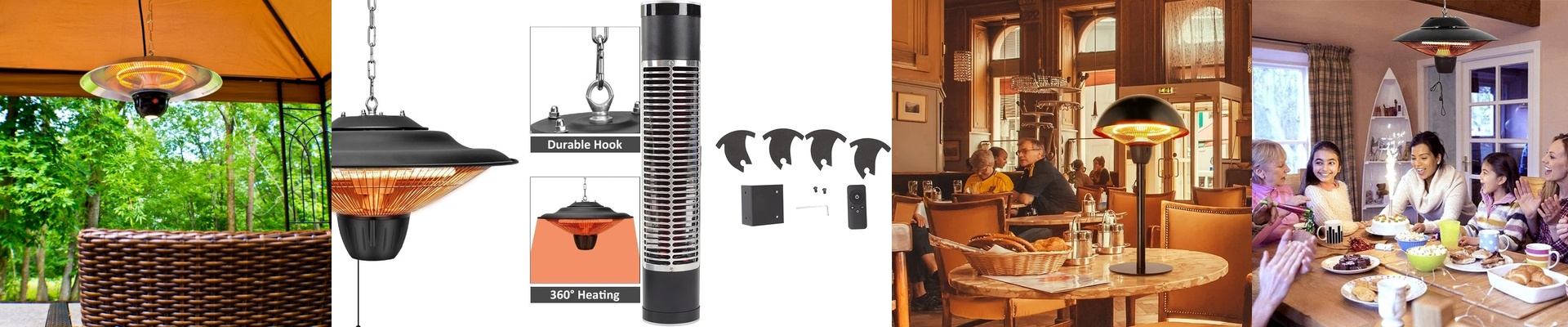

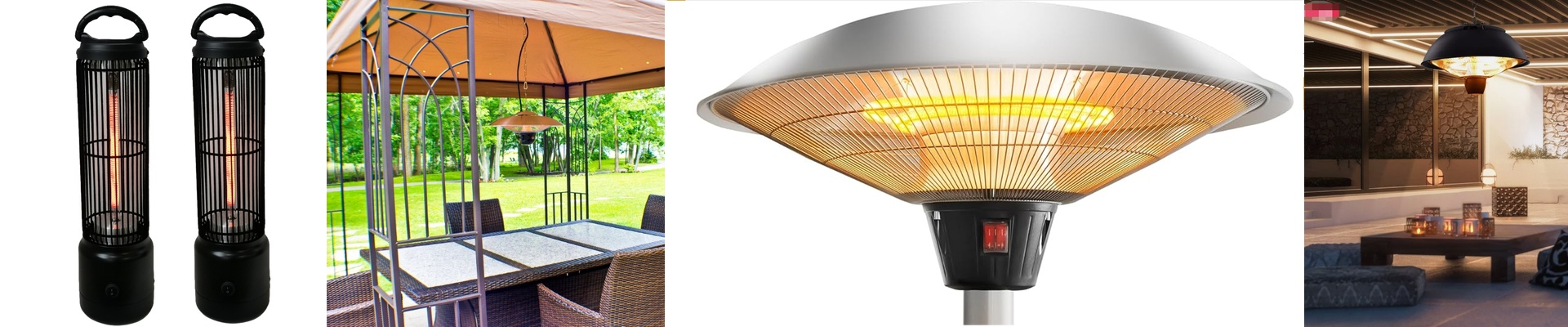
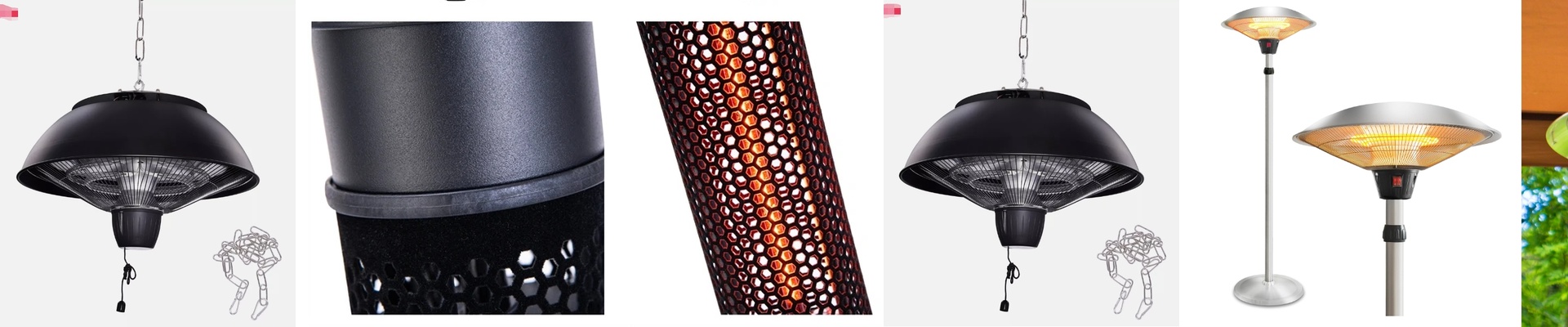
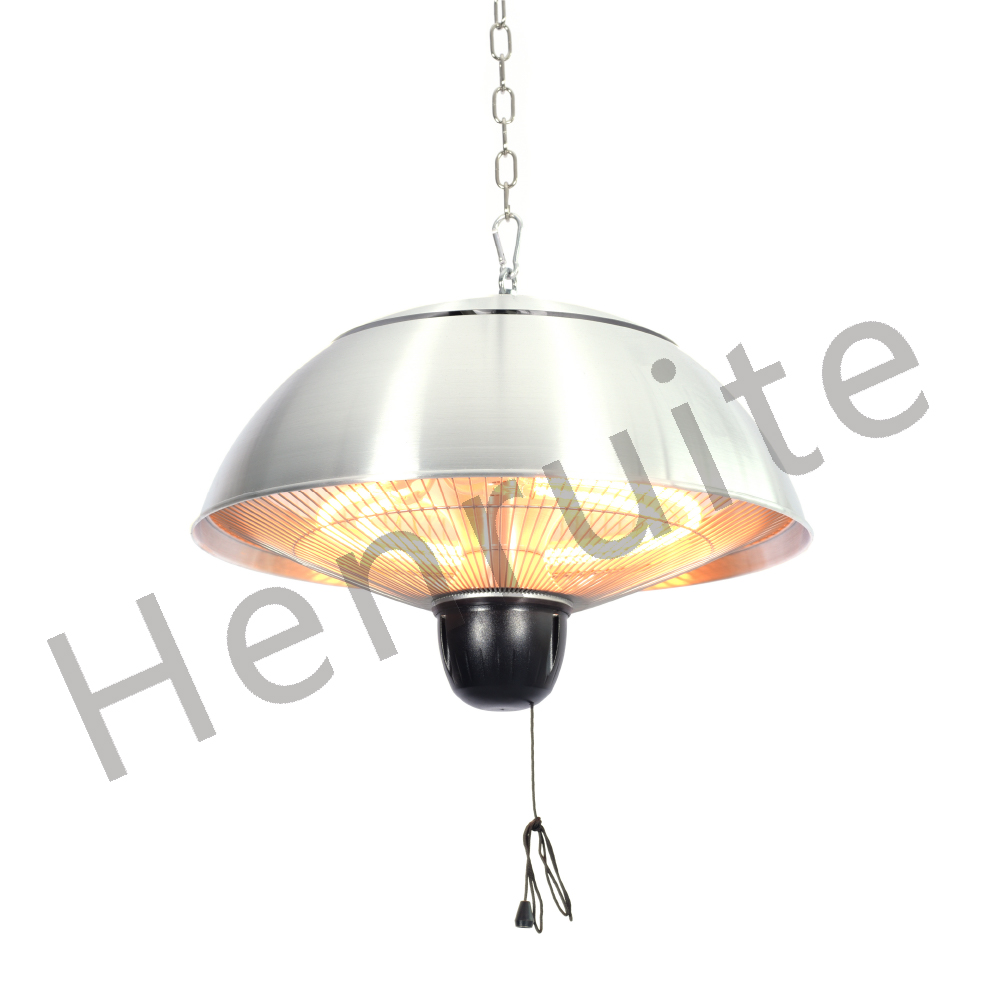
The Gazebo Heater: Power Meets Peace of Mind
We built this 1500W ceiling heater for the exact kind of space a gazebo is—semi-open, full of moving air, and always a little damp. It’s not overkill. It’s just the right amount of punch to keep you warm out there, without tripping your home’s standard 120V circuit. And because it’s meant to hang from the ceiling, it had to be compact and aim its heat right where you need it. That’s why we went with a focused infrared source, instead of a big, bulky convection heater that would just waste energy heating the empty air.
The Secret Weapon: An Explosion-Proof Tube
The heart of this thing is the infrared quartz heating tube, and it’s built to be tough. Let’s be honest—standard heating elements can be a real hazard. They can crack under stress or let moisture in, and that’s no joke. Our quartz tube is different. It’s engineered to hold pressure safely, so you don’t have to worry about a catastrophic failure. The quartz material itself is also way more resilient than glass. It can handle the constant on-and-off, the rapid heating and cooling, without cracking under the pressure. Plus, the infrared heat doesn’t waste energy warming the air. It warms you, your furniture, the floor—right down to the bones. It’s the kind of heat you feel instantly, even on a breezy night.
The Real-World Setup: Simple and Smart
If you’re the one installing this, you’ll appreciate how straightforward it is. It’s a self-contained unit, designed to be wired directly into your ceiling. All it needs is a standard 120V hardwire connection. Here’s the one thing to keep in mind: it draws 1500W, which is a solid amount of power. So, you can’t just plug a bunch of these into the same outlet. You need to plan your circuit load. It’s a small trade-off for getting that immediate, focused heat. But the payoff is big. Because it’s explosion-proof, you can safely install it in a damp area without needing extra protective boxes. That saves you time, money, and a whole lot of hassle. It’s a practical, code-compliant way to make your outdoor space actually usable, all year long.