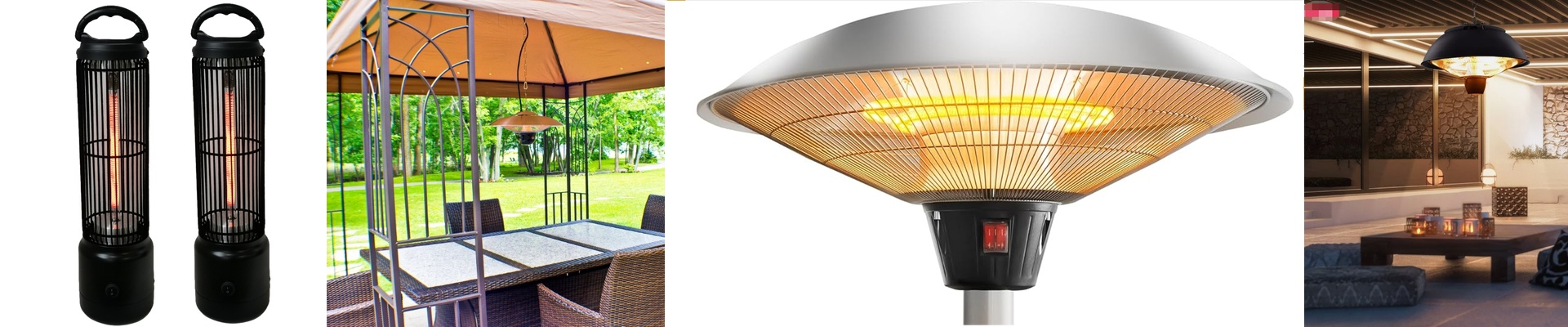
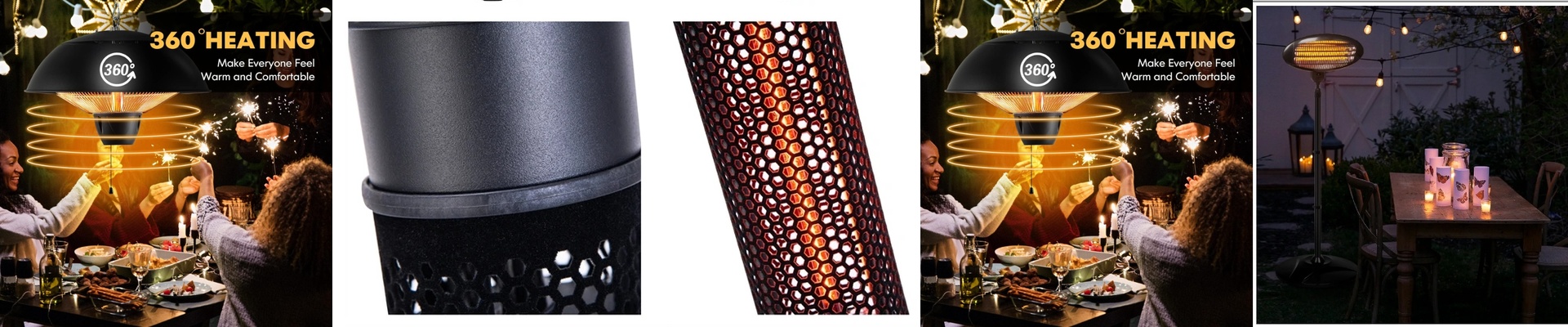
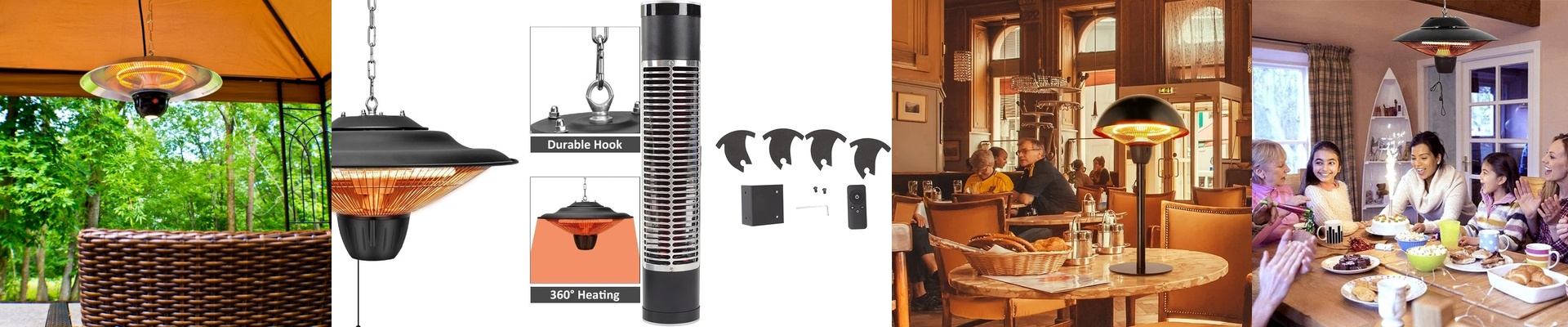
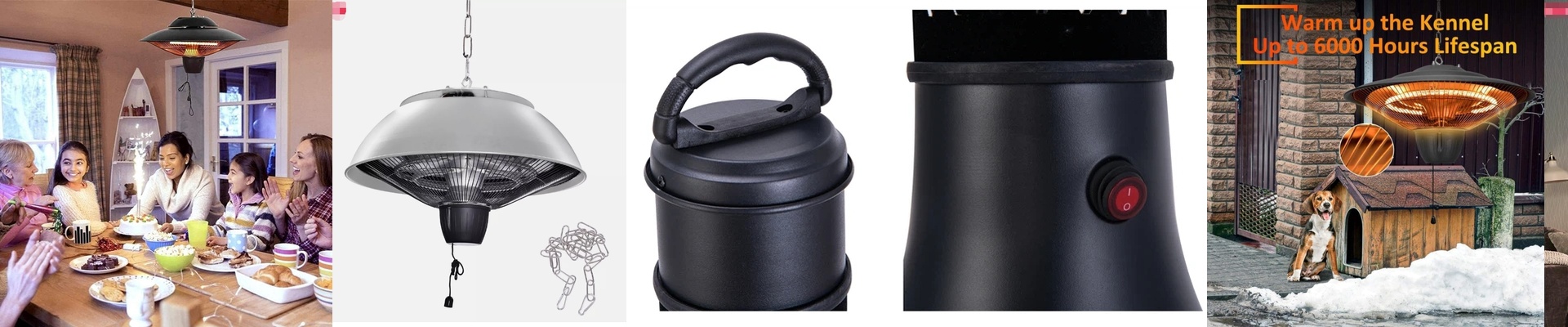
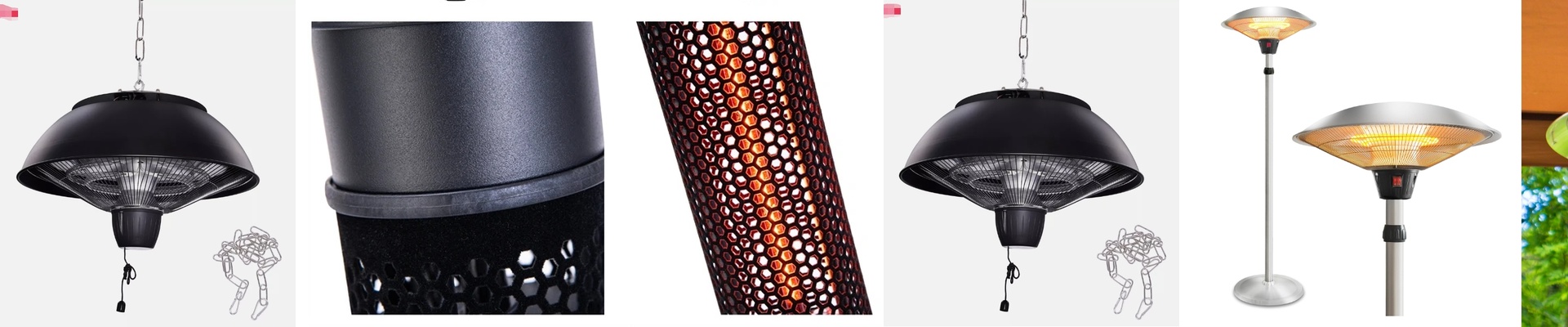
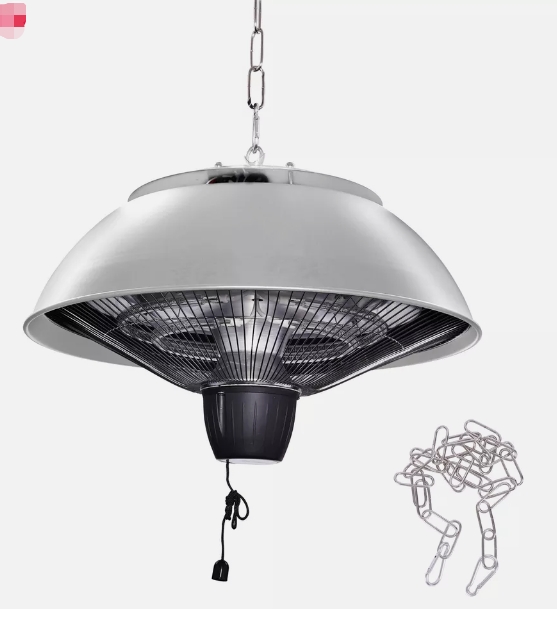
In a big room, standard heaters push warm air around, but by the time it circulates, people are still cold. That’s exactly why we developed the infrared wall heater: warmth goes straight to occupants, not the whole volume. You feel the comfort almost immediately, it stays where you need it, and you stop wasting energy on empty corners.
What Matters Technically
Infrared wall heaters deliver radiant warmth—think of it like the sun heating surfaces directly. Inside, a carbon fiber or quartz element comes up to operating temperature and emits infrared energy. That energy travels in a focused pattern and warms people, floors, and nearby objects on contact. No waiting for a fan to spin up, and no losing heat to ceilings and drafts. Many models run on standard 120V or 240V, with power options that fit small nooks or larger open areas. If you want steady comfort, choose a unit with a built-in thermostat. And always look for safety features—tip-over protection and overheat cutoff are non-negotiable. For outdoor or damp locations, check the IP rating; IP34 or higher is typical for protection from spray and dust.
Why It Works Here
The payoff shows up in spaces with high ceilings, drafty doorways, or partial occupancy—workshops, garages, covered patios, and sunrooms. Because the heat is directional, you can mount the unit where people gather and feel warmth almost instantly. No long spin-up. No noisy blower. No constant cycling that leaves you cold between cycles. Energy stays focused on where people actually are, so you’re not heating large volumes that go unused. Indoors, the gentle radiant warmth helps keep muscles relaxed, and the air feels less stuffy because the heater isn’t stirring up dust and allergens.
Things to Know
Mount the infrared wall heater at a comfortable height—typically 6–7 feet—and angle it to cover the main seating area. Keep proper clearances from combustible materials; the housing and element get hot during operation. For the best comfort, pair the heater with an ambient thermostat and avoid pointing it directly at reflective surfaces that can create glare. In very cold conditions, radiant output is immediate, but the surrounding air may still feel cool. If you need to warm the air as well, adding a secondary air-circulation fan can help.