Stop the Chipping: Why We Preheat Glass with IR
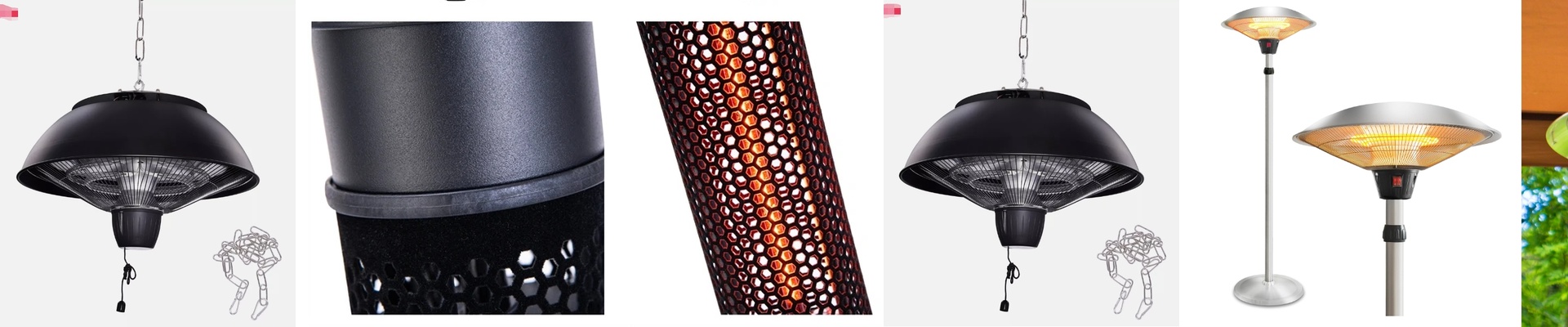
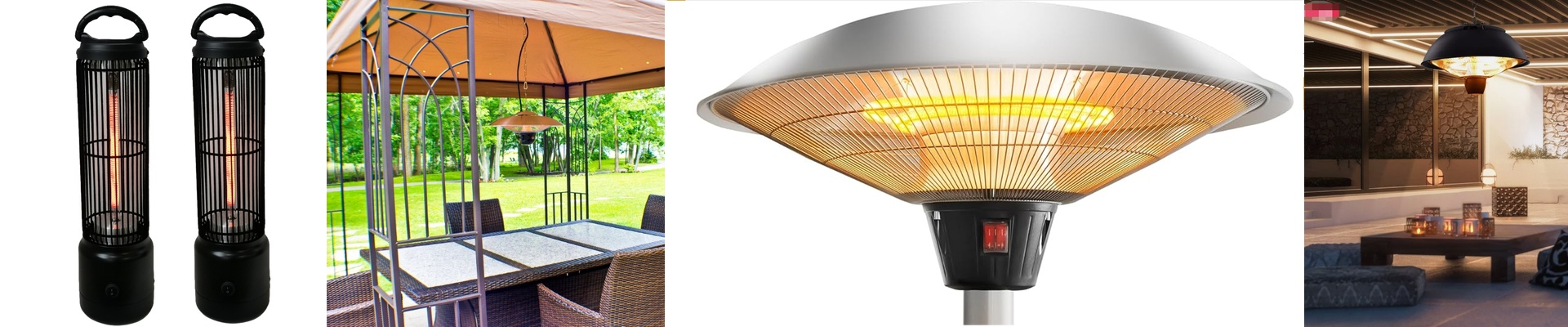
Cutting cold glass is basically a gamble. When your cutting wheel hits a cold sheet, those tiny micro-cracks go wherever they want. That’s how you end up with those annoying chips or corner breakouts that ruin a perfectly good piece. It’s frustrating. We fixed this by bringing in high-temperature infrared (IR) lamps. The goal is simple: get the glass warm before the blade even touches it.
Why the heat actually works
Think of cold glass as being too brittle for its own good. By hitting it with short-wave infrared radiation, we’re pushing heat straight into the material. This relaxes the internal tension. When you score the glass while it’s warm, the fracture actually follows the line you set. It’s a cleaner break. Every time. You stop fighting the material, and the Chipping just… stops.
Getting the setup right
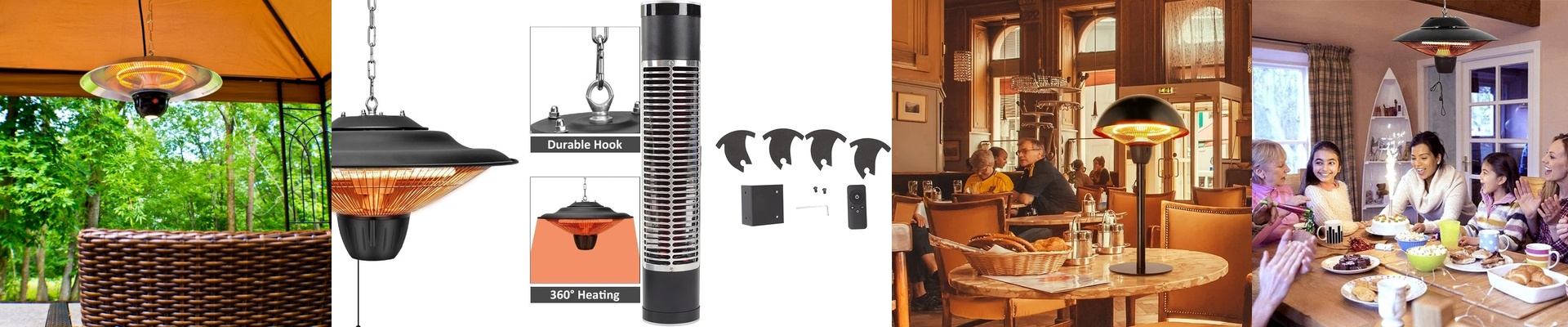
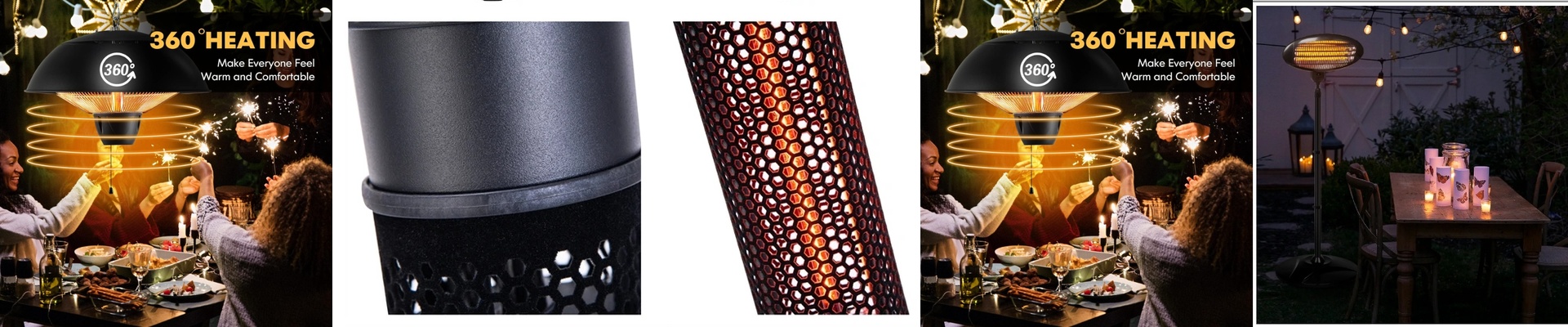
You can’t just use any old heater. You need lamps that hit the target temperature in seconds. If it takes minutes, your production line is dead in the water. We usually go with quartz halogen elements because they can handle being flipped on and off constantly without popping. But here’s the tricky part: you have to balance your wattage with how fast your conveyor is moving. If you crank the heat too high, the glass can bow from uneven expansion. Too low? You’re right back to square one with chipped edges. That’s why a solid PID controller is a must—it keeps the temperature in that sweet spot.
The grit of the shop floor
On paper, it looks easy. In the shop? It’s a different story. These lamps pull a ton of current and throw off a massive amount of heat. If your cooling fans aren’t up to the task, your electronics are going to fry. Simple as that. And please, keep those quartz tubes clean. Dust builds up, creates hot spots, and burns out your filaments way faster than they should. Just keep them wiped down and replace them on a schedule. It’s the only way to make sure your cuts stay consistent day after day.