
Why Shortwave IR is the Way to Go for Online Glass Annealing
If you’re making scientific glass bulbs, you know the nightmare of spontaneous cracking. It usually happens because the thermal stress didn’t get worked out of the glass. Now, you could throw everything into a big batch oven, but that just kills your momentum. It turns your production line into a waiting game. To keep things moving, you need heat that hits the glass instantly and vanishes just as fast. That’s where shortwave infrared (SWIR) comes in. Honestly, it’s the only way to make this work in a real production environment.
Why it actually works
Here is the thing about shortwave IR: it doesn’t mess around. It sinks deeper into the glass, and it does it way faster than medium or longwave options. Think about a standard resistive heater. It has to heat the air first, and then the air heats the glass. It’s slow. SWIR is different. It’s direct radiation. The energy jumps straight from the lamp to the glass, meaning you hit your annealing point in a matter of seconds. When you’ve got a conveyor belt humming along, you can’t deal with “thermal lag.” You need the heat to be there now. With SWIR, you can tune your heating zone to match your belt speed. If you decide to speed up the line, you just crank the power and keep rolling.
Setting up the heat zone
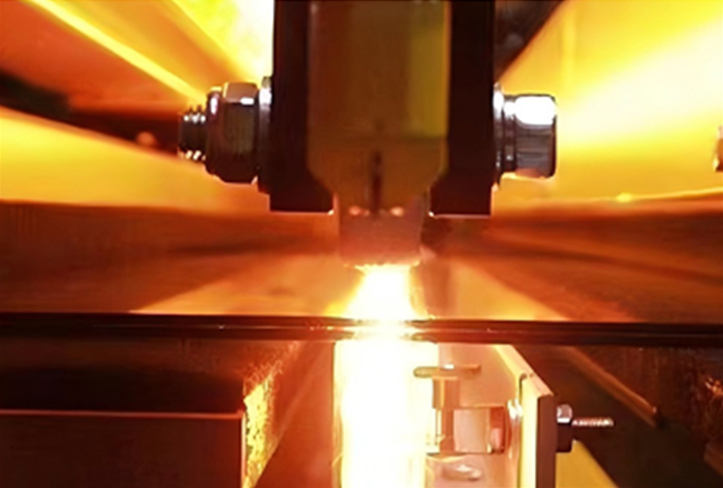
Most of the time, we use high-wattage quartz halogen tubes. They pack a punch. They provide enough heat density to stabilize the molecular structure of the glass without accidentally melting the surface. The best part? They ramp up almost instantly. This gives you a ton of control. You can blast the glass with a steep temperature spike right at the start of the tunnel, then let it drift into a slow, gentle cool-down at the end. It’s a much smoother ride for the material.
The stuff they don’t tell you
Now, look—this isn’t some “set it and forget it” magic box. Because these lamps cram so much energy into such a small space, things get hot. I mean really hot. If you cheap out on your cooling fans or ventilation, you’re going to fry your control wiring. It’s as simple as that. And one more thing: keep those quartz envelopes spotless. A tiny smudge of oil or a bit of dust might seem like nothing, but it creates a hot spot. One hot spot, and your tube cracks. Keep them clean, keep them cool, and they’ll take care of you.