




The Secret to Speeding Up Glass Printing (Without the Mess)
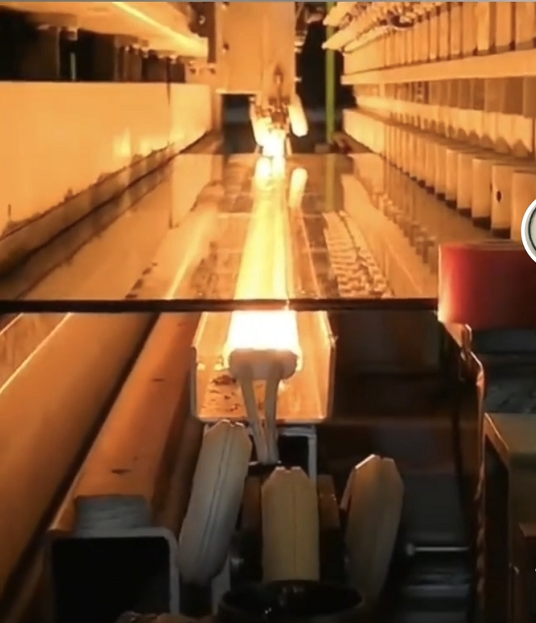
Let’s talk about that one step that always slows things down on a glass printing line: drying. You know the drill. You’re printing, and then you have to wait for the ink to dry before you can stack the glass. Otherwise, it just smears and sticks together. We built this infrared (IR) halogen lamp to fix that bottleneck for good. The whole idea is simple: get the ink surface bone-dry in seconds. How? It’s all about the right kind of energy. This isn’t just about blasting things with raw heat. The lamp focuses its power in the shortwave IR spectrum, which the ink’s solvents soak up directly. The glass itself stays cool. The result? The ink dries fast, and you can stack the pieces without a second thought.
Built for Speed, Plain and Simple
This thing is all about moving fast. We’re talking a 400V, 2500W setup packed into a 300mm tube. That gives you serious power density, which just means it blasts the energy right where you need it. More power, focused in a tight beam, equals faster evaporation. It’s that straightforward. Just a heads-up, though. Because it runs so hot, your machine’s cooling system needs to be up to the task. It has to handle the extra warmth in the immediate work area.
Built to Last on a Real Production Floor
This lamp wasn’t designed for a lab. It was built for the grind of a real production line. The body is made from quartz, not regular glass. Why? Because it can handle the extreme heat and the shock of turning on and off without cracking or degrading. Inside, the halogen filament is built to last, so you won’t be replacing burnt-out bulbs every five minutes. And the R7s connector? That was a deliberate choice. It provides a solid, two-point connection that can handle the high current without getting dangerously hot. This makes the whole thing a true drop-in replacement. You just wire it up, and it just works. No need to redesign the whole fixture.
What This Means for Your Line
Imagine your printing line without the long pause for drying. That’s what this lamp brings to the table. It wipes out the wait time you’d get with old-school convection drying. The payoff is immediate. No more wet ink transferring from one piece of glass to the next in the stack. That alone slashes your scrap rates from blockages and rework. For your engineers, it’s a breath of fresh air. The lamp slips right into the conveyor system, taking up almost no extra room. It’s a focused, simple solution to a very specific, very annoying industrial problem: getting glass from the printer to the stacker at full speed, without anything sticking.