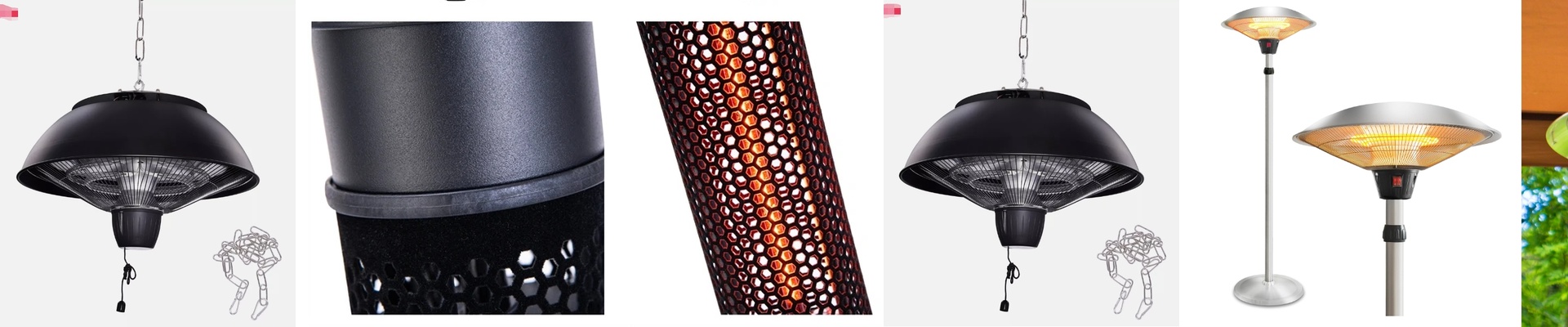
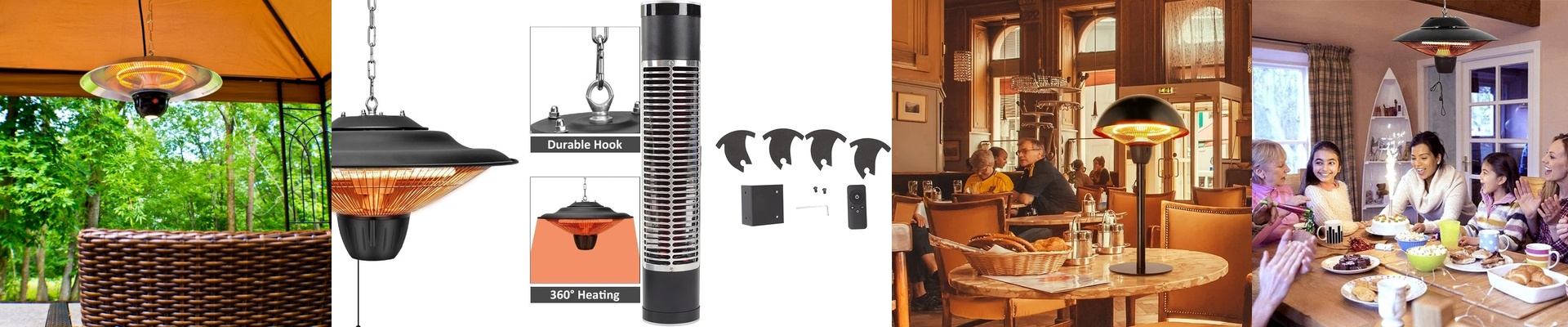

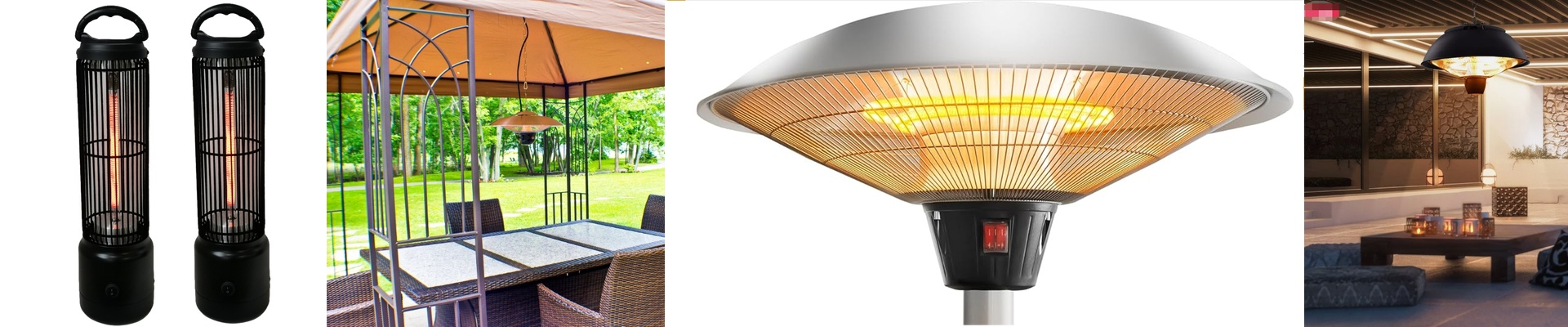
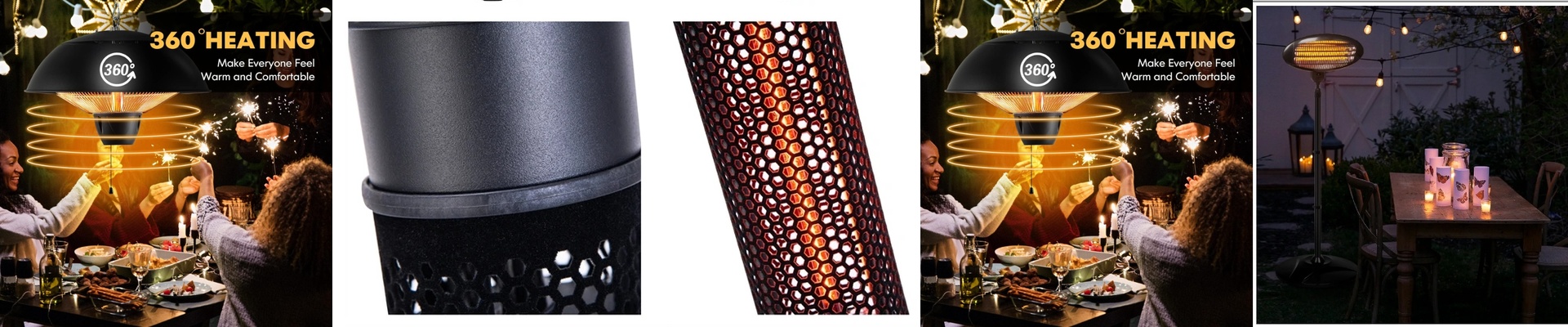
You pick an infrared heater for one reason: to make the space feel right. Warm where you sit, steady when the wind changes, and quiet enough you don’t notice it’s on. The catch is, the wrong wattage turns comfort into a chase—either you’re always hunting warmth across the room, or you’re paying for kilowatts you never needed.
What actually matters
Sunlike infrared heaters deliver radiant warmth that travels through the air and heats people and surfaces directly, much like the sun’s rays—without first heating the air. In practice, that means comfort hits almost the instant the unit comes on. Wattage is the main lever. The usual electric radiant rule is about 10 watts per square foot, but orientation and insulation shift the real load. South-facing rooms with big windows pick up solar heat, so you can often get away with slightly less. North-facing rooms and drafty spots bleed heat faster, and they need more capacity just to hold steady.
Why this approach works
This is about matching the heater to the room’s heat loss, not guessing. Get that match, and you get faster comfort, fewer swings, and more consistent performance. Sunlike infrared heat shines where convection struggles—covered patios, sunrooms, workshops, and living areas with cold corners. Because the warmth is aimed where you need it, you run the heater on demand instead of heating the whole house. That control can keep energy use down, especially when the unit is sized properly and paired with a thermostat.
The details you can’t skip
Infrared heaters are electric, so they need a dedicated outlet on the right circuit. Most residential models plug into a standard 120V outlet, but higher-wattage units may require 240V and professional wiring. Clearance matters. Keep the heater spaced from furniture and curtains, and stick to the listed distances for safe operation. Most modern units include tip-over protection and overheat protection, and many are rated for outdoor or damp locations with an IP rating. The trade-off is familiar: radiant heat warms you quickly, but rooms with poor insulation still lose heat to the outside. In those spots, sizing up one step—or adding another heater in the coldest zone—is the practical fix.