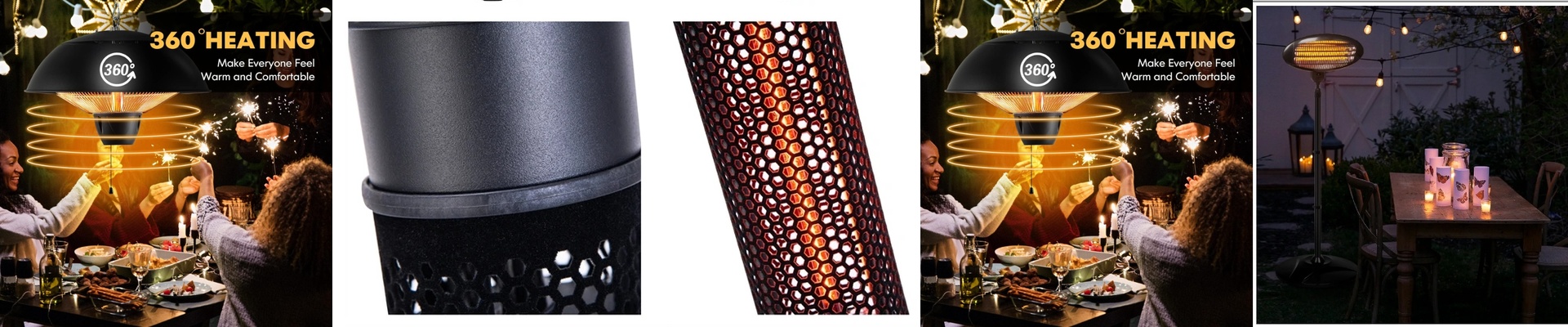
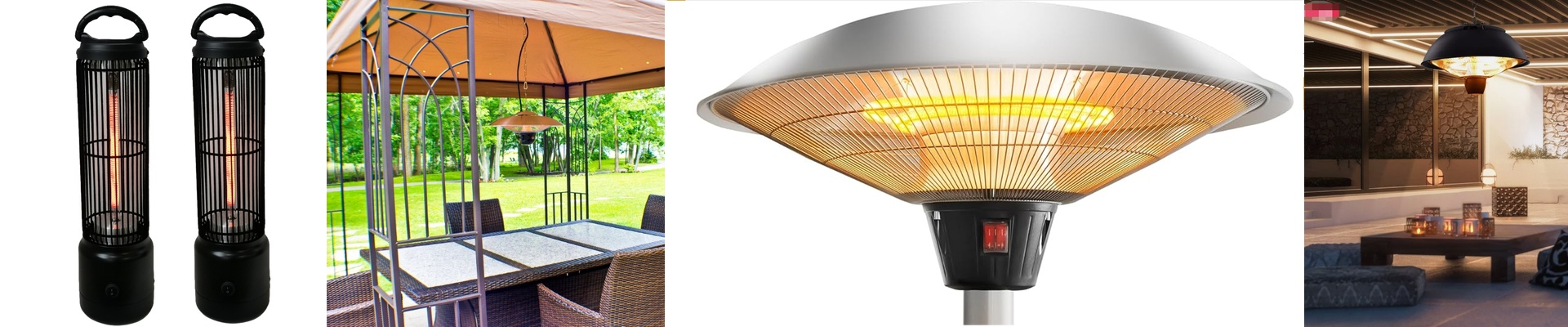

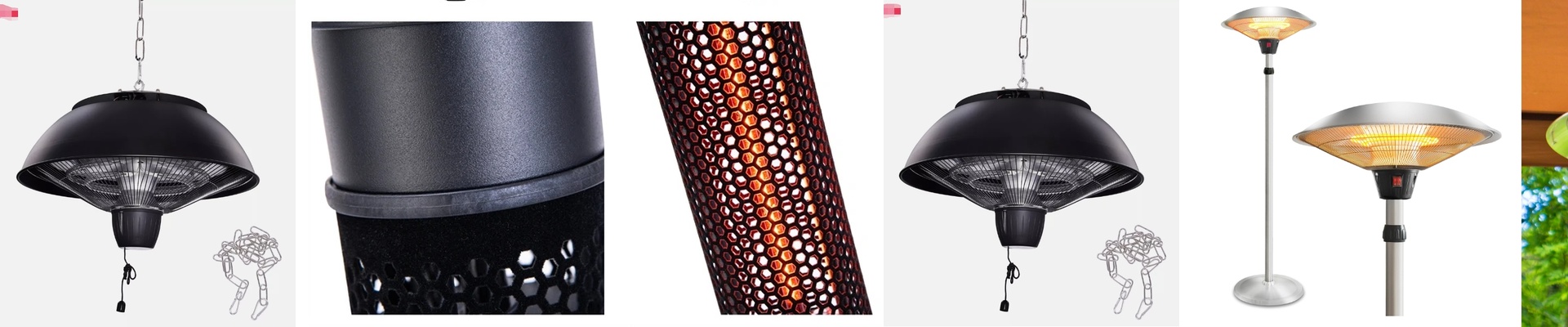
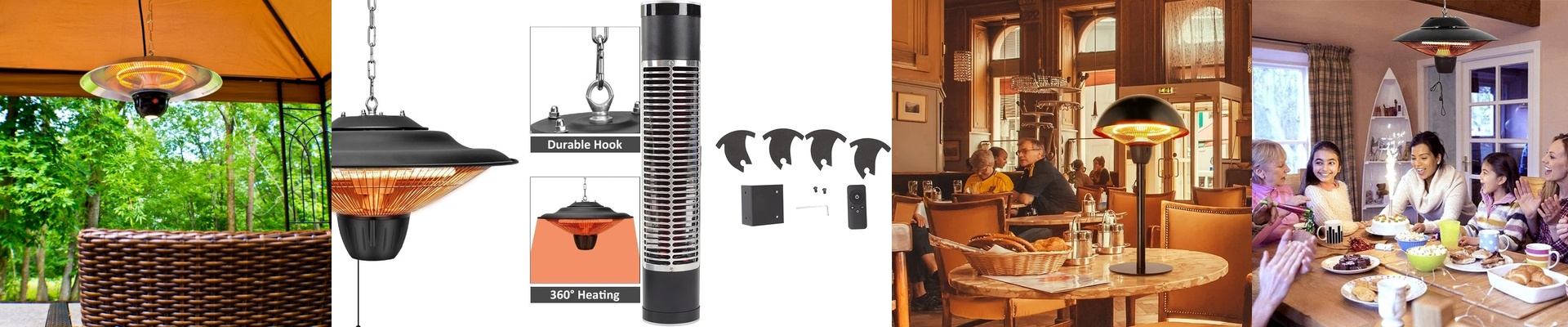
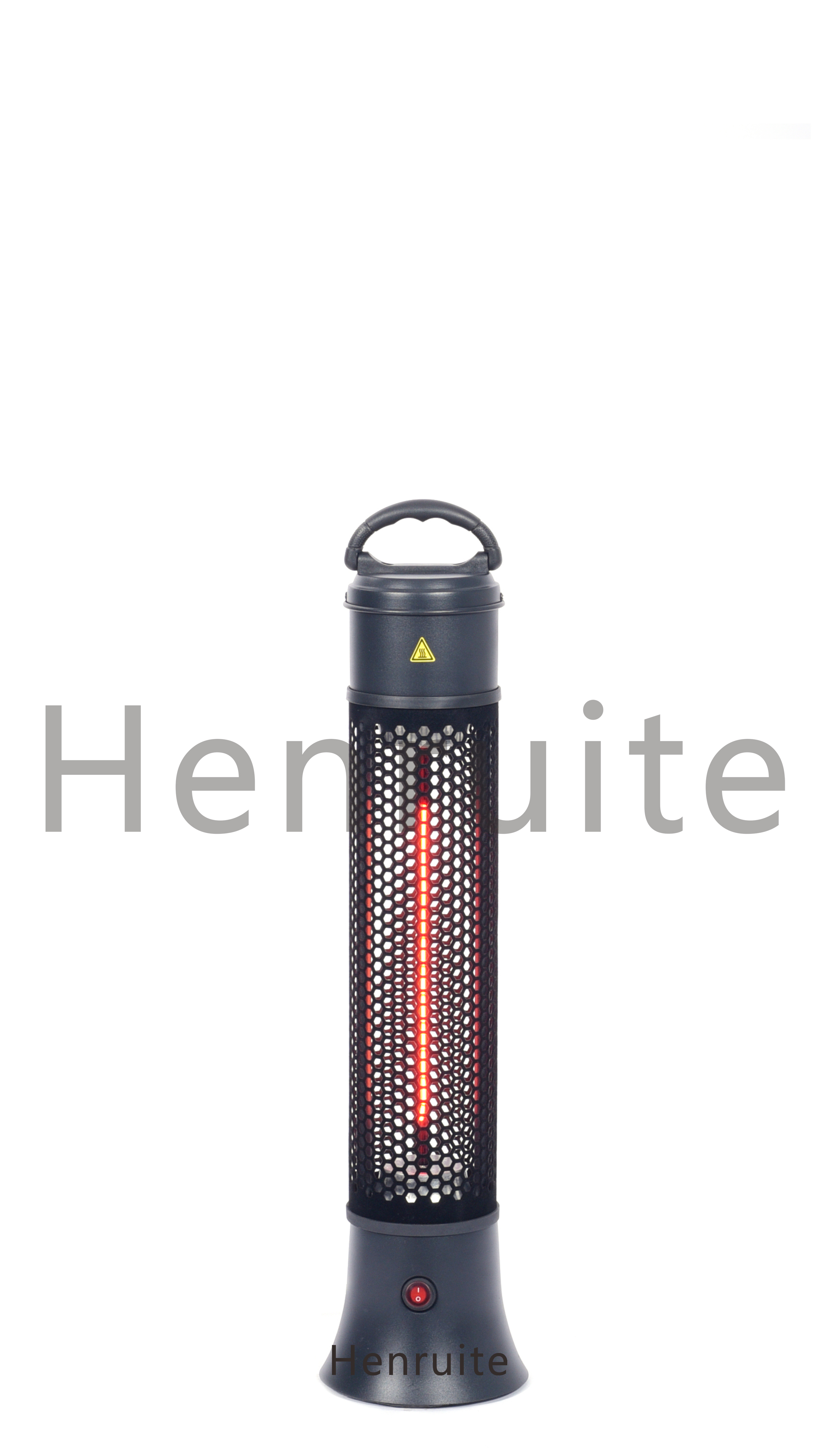
The outdoor heating aisle is packed with noise, but when it comes down to it, comfort you can stand behind starts with proven safety. Whether you’re outfitting a workshop, a busy café patio, or a family outdoor room, a foot warmer heater with full CE certification isn’t a nice-to-have—it’s the baseline for buying responsibly. Skip it, and you’re rolling the dice on shaky thermostats, elements that run too hot, and wiring that can’t handle real-world duty cycles. What matters under the hood Infrared foot warmers put the heat where people feel it most: straight into shoes and floors. You’re warming people, not chasing air around. Inside, a carbon fiber or quartz element kicks out medium-wave infrared warmth that cuts through cold surfaces fast. The payoff is clean electric heat, low noise, and an immediate response—as long as the thermostat is solid. CE marking means the unit has been tested against strict European safety standards, including electrical integrity, temperature limits, and tip-over protection. Check the nameplate for voltage and power draw, and match the IP rating to the exposure—damp patios need more protection than a sheltered indoor corner. Why it holds up in the real world Across a market full of shaky bargain heaters, CE-certified infrared foot warmers earn their keep. They deliver steady, focused warmth right where it counts—your feet—so guests stick around longer and staff stay comfortable through a shift. Radiant heat warms surfaces and objects, which helps even out the feel when a breeze rolls through. You’re also using less energy than trying to heat the whole outdoor air, and you avoid the hot drafts that break up conversation. For businesses, that means better reviews, fewer complaints, and less downtime from cold-weather fatigue. What you need to get right on install Infrared warmth is directional, so position the foot warmer where feet naturally land. Clearance matters—keep it away from combustible materials and make sure it sits stable, ideally with tip-over protection engaged. Most units are built for covered or sheltered outdoor spots; direct rain and heavy moisture will shorten service life unless the enclosure is rated for it. Plan the circuit, too—these heaters pull real power, so a dedicated outlet and proper wiring keep you from tripping breakers on busy nights.