


Stop the Cracks: Getting Glass Sealing Right with IR Lamps
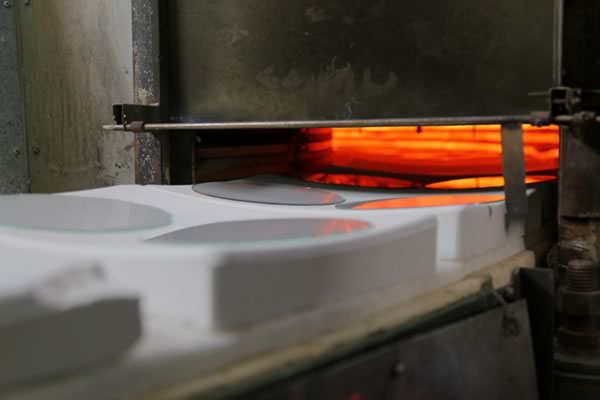
Anyone who’s worked with glass tubes knows the frustration. You’re sealing a piece, and suddenly—snap. A stress fracture. It usually happens because the heat hit the glass too slowly or just unevenly, leaving the material fighting itself. To fix this, we use shortwave infrared lamps. They aren’t like your standard heaters; they’re built for instant tempering and can change power levels in a heartbeat.
Handling the Heat Without the Shock
Thermal shock is basically what happens when one part of the glass wall gets way hotter than the part right next to it. It’s a recipe for disaster. We deal with this by using lamps that react the second you tweak the voltage. When you pair these with a fast-switching thyristor (SCR) controller, you can ramp the heat up or down in milliseconds. It lets you “flash” the glass right to its working point. You get the heat exactly where you need it without soaking the rest of the tube in unnecessary warmth. That’s how you keep the glass from cracking.
The Nitty-Gritty on Heat Density
We design these lamps to pack a ton of wattage into a tiny space. Because it’s shortwave radiation, the heat actually sinks deeper into the glass surface. The core of the tube hits that sealing temperature much faster, which means you aren’t sitting around waiting for the cycle to finish. Just a heads-up: make sure your power supply can handle that initial inrush of current. And keep an eye on your cooling fans. These high-wattage tubes put out a massive amount of heat, and if your airflow is weak, you’ll end up frying your lamp sockets. Not a fun way to spend a Tuesday.
Real-World Setup
The best part? These are basically drop-in replacements for most standard sealing rigs. We use quartz envelopes because they can take the brutal internal temperatures needed for shortwave emission. Once you’ve got them wired up, do yourself a favor andkeep the reflectors clean. If dust builds up, your efficiency tanks. The lamp has to run even hotter just to get the glass to the right temperature, which eats away at the bulb’s lifespan. It’s a bit of a trade-off: cranking the power gets you faster seals, but it puts more wear and tear on the filament. Just find that sweet spot that works for your shop.