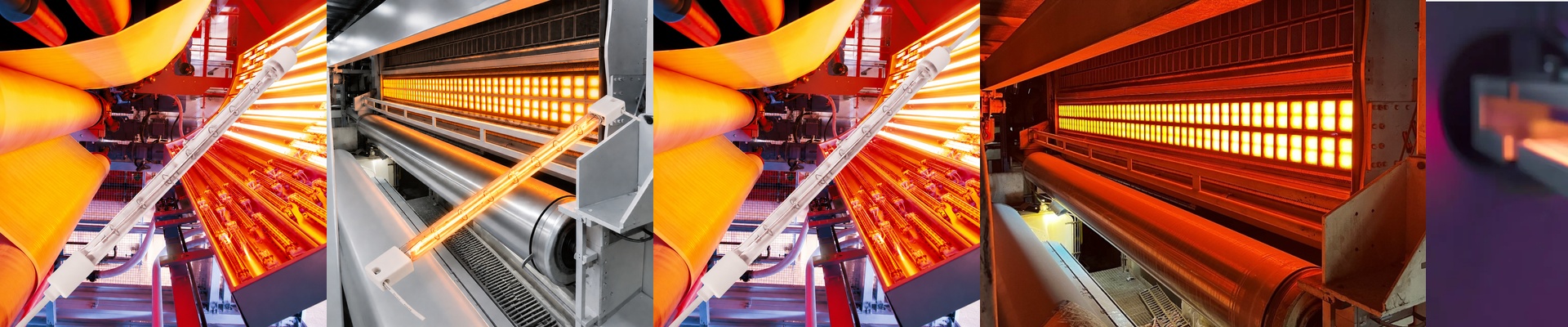
Why we insist on 99.99% pure quartz for Monforts IR lamps
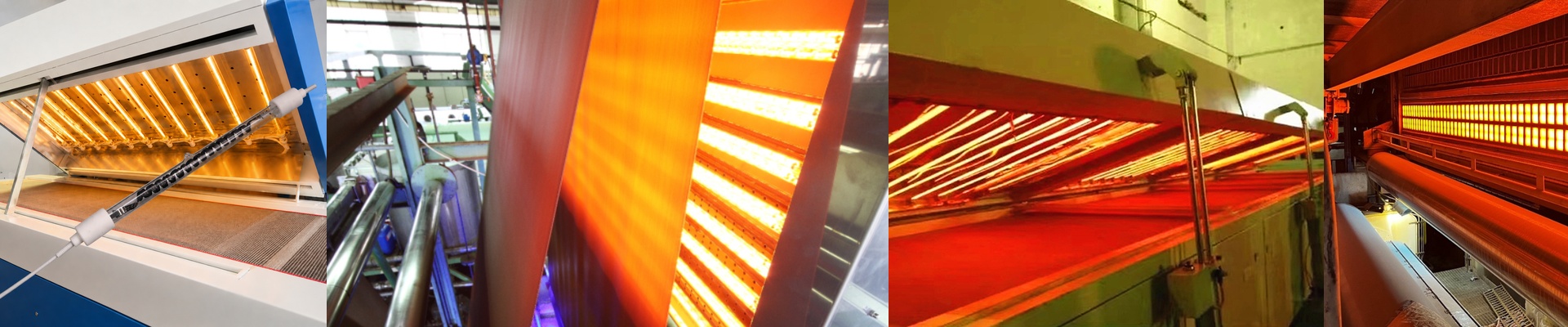
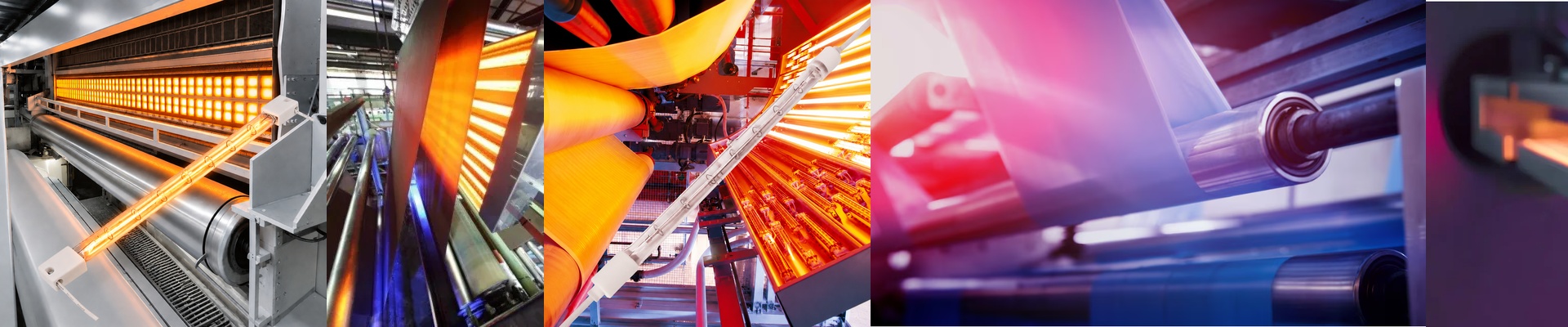
When you’re picking out IR lamps for a Monforts stenter, it’s easy to overlook the glass. It just looks like a tube, right? But here’s the thing: the purity of that glass is actually what decides if your heat hits the fabric or just gets stuck in the tube. We use 99.99% high-purity synthetic quartz. Why? Because standard quartz is full of tiny impurities—stuff like aluminum or iron. Those little bits of junk act like a wall, soaking up the infrared radiation instead of letting it pass through. It’s all about the flow. Think of low-grade quartz as a filter. It blocks a chunk of the IR spectrum and turns that energy into heat inside the glass wall itself. That’s a waste of power. Worse, it kills the tube faster. With 99.99% purity, the heat has a clear path. More photons fly straight through the envelope and land exactly where they need to: on your textiles. Avoiding the “pop” Then there’s the stress. In a Monforts machine, these lamps go through some serious heat cycles. They get hot, they cool down, and they do it over and over. If you have impurities in the glass, you get “hot spots.” These spots expand faster than the rest of the tube. Eventually, the glass can’t take the tension and it cracks. Pure quartz spreads that heat out evenly. It can take a beating without shattering. The honest truth about the cost Now, let’s be real: higher purity costs more upfront. You’ll see it in the price per unit. But you’ve got to look at the bigger picture. You aren’t replacing lamps nearly as often, and you aren’t cranking up the power just to compensate for inefficient glass. In the long run, it’s actually the cheaper way to run your line. One quick tip before you install them:check your reflectors. If they’re pitted or oxidized, it doesn’t matter how pure your quartz is. The heat won’t bounce back onto the fabric, and you’re basically throwing money away. Also, double-check your wattage specs during wiring. You don’t want to fry your filaments on day one.