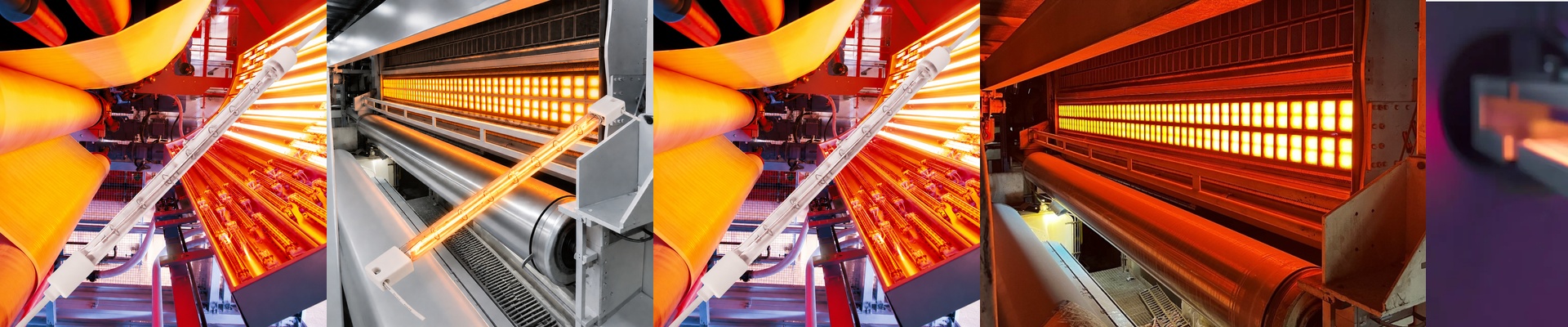
Getting Your Reggiani PET Heat Just Right
If you’re running Reggiani machines, you know the struggle. You need your PET preforms to hit that exact glass transition temperature, but there’s a razor-thin line between “perfectly heated” and “burnt to a crisp.” We don’t just ship you a box of lamps and wish you luck. We actually tune the spectrum.
Why the “Physics” Part Actually Matters
Here’s the thing: most standard IR lamps are wasteful. They pump out energy in wavelengths that the PET plastic just ignores. It’s like trying to heat a room with a flashlight. We do things differently. We focus on the specific peaks the plastic actually absorbs. By tweaking the tungsten filament diameter and the halogen gas pressure, we shift the emission curve. The result? The heat actually sinks into the thick base of the preform without scorching the thinner walls. It’s a much more balanced bake.
The Gear Under the Hood
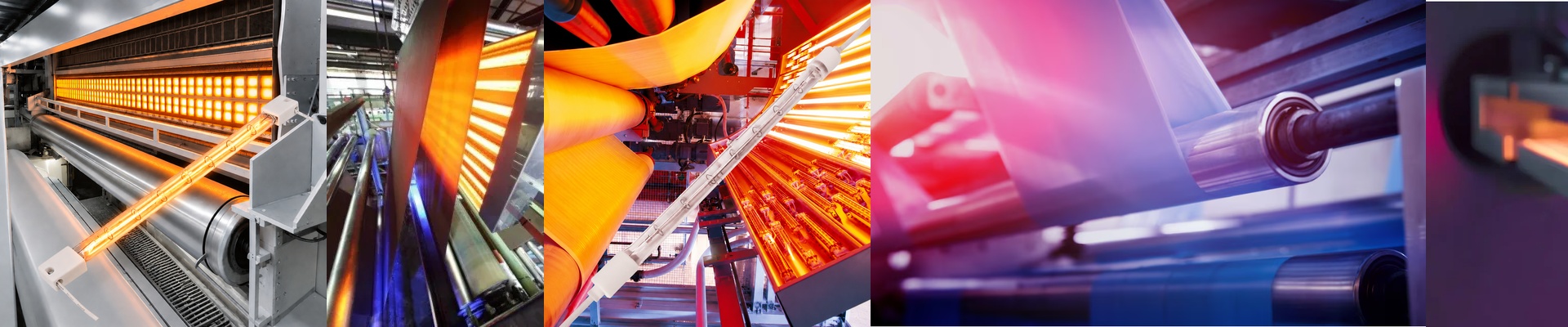
We build these tubes for heavy-duty heat. We use quartz glass with special coatings that bounce the energy forward, shoving all that flux right onto the preform where it belongs. Space is always tight in these ovens. Depending on your rack, we use R7s or SK15 connectors. They’re built to handle high current without pitting or melting into a puddle. But a word of caution: if you’re on a 400V system, these things get aggressive.**Your cooling fans have to be up to the task.**If your airflow dips, the lamp housing will basically cook itself.
Real-World Use
These are simple drop-in replacements. You pull the old tube, wire it up, and dial in your power settings. Easy. But there’s a catch. If you try to “over-drive” the voltage to get more heat, you’re going to kill your lamps. Running them at 110% of their rated voltage will slash your lifespan by a third. It’s just not worth it. Stick to the rated voltage. When the spectrum is matched correctly, you’ll notice the cycle times drop and those annoying rejects—the pearlescence and the burnt spots—just disappear.