

Getting the Heat Right for Silk-Screened Glass
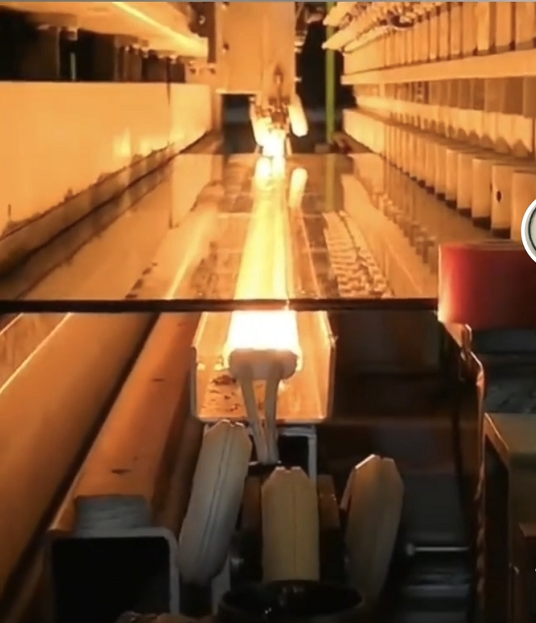
Here is the tricky part about silk-screen printing and tempering: they don’t naturally get along. You need a massive amount of heat to bond that ink and stress the glass, but if you go overboard—or if the heat hits unevenly—your crisp lines start to blur and the glass can actually warp. It’s a delicate balance. That’s where clear quartz infrared tubes come in. They’re basically the secret weapon for keeping things under control.
Why Clear Quartz Actually Works
We go with clear quartz because it doesn’t hold onto the heat. It lets those short-wave rays pass right through the tube wall and slam directly into the glass. But here’s the catch: ink isn’t uniform. Darker colors soak up IR energy way faster than clear glass does. If you crank the wattage too high, those dark spots overheat. Suddenly, your ink starts to bleed or “ghost,” and you’ve got a ruined piece of glass on your hands. You have to find that sweet spot where the glass gets hot enough to transition, but the ink doesn’t start to break down.
Balancing Strength and Clarity
To temper glass, you’re looking at roughly 620°C before the big quench. When you’ve got silk-screening in the mix, you can’t just blast it. You need a steady, uniform soak. I always suggest zoning your heater banks. If you can tweak the power in the pre-heating zone separately from the peak heating zone, you can basically “set” the ink before the glass hits its max temperature. It makes the whole process way more stable. Plus, clear quartz reacts fast. If you switch to a thicker piece of glass, you can ramp the power up or down almost instantly. It just feels more responsive.
The Trade-offs You Should Know About
High-wattage tubes are great because they speed up your cycle times. Who doesn’t want that? But there is a downside. The intensity of that radiation can eat away at the tube ends over time. And if your reflectors are dirty or slightly off-center? You’re in trouble. Keep those reflectors polished. Seriously. If they get pitted or oxidize, you lose that heat uniformity. Then you’ll start seeing failures in your strength tests across the sheet, and you’ll be scratching your head wondering why.