


Stop the Chipping: Why Twin-Tube IR Lamps are a Lifesaver for Glass Cutting
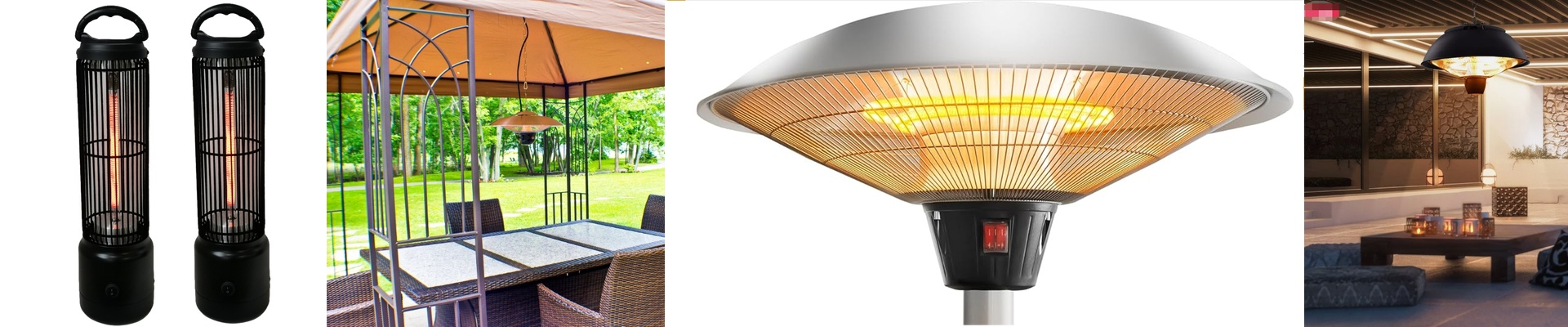
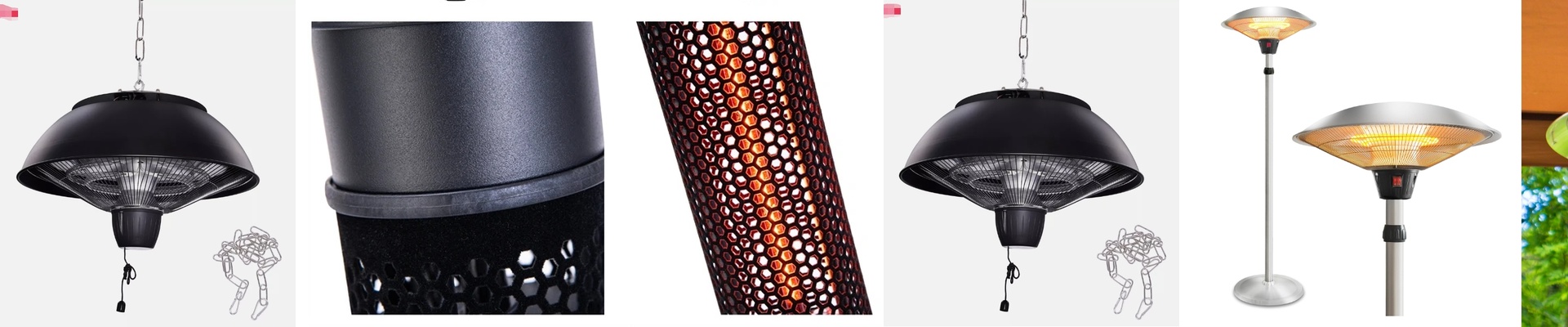
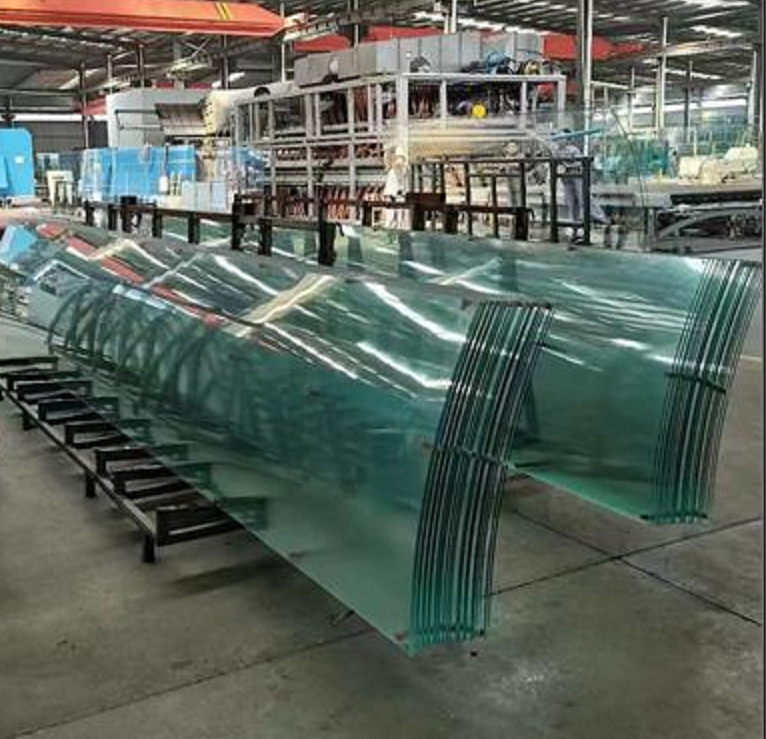
Cutting glass always feels like a fight against the material itself. You’ve probably seen it a thousand times—you hit a cold sheet with the cutting wheel, and instead of a clean snap, you get those annoying little chips or corner breakouts right where the glass is supposed to break. It’s frustrating, and it wastes material. The trick to fixing this is simple: warm the glass up first. We use twin-tube infrared lamps to heat the surface right before the cut happens. Here is why it actually works. Glass doesn’t like to move heat around. By hitting it with short-wave infrared radiation, we can bump up the surface temperature quickly. This basically relaxes the material on a microscopic level, easing all that internal tension. When the glass is warm, the crack travels in a straight line. You get a crisp, clean break. No jagged edges, no headaches. But why the “twin-tube” setup? If you use a single tube, you often end up with “cold spots” between the lamps. That’s where the chipping comes back to haunt you. The twin-tube design basically doubles the heat hitting the glass without taking up more space on your machine. It keeps the heat uniform across the whole sheet. We use high-wattage quartz envelopes because they can handle the heat and, more importantly, they ramp up fast. You can’t be standing around for ten minutes waiting for a heater to warm up. You need that heat hitting the glass the second it enters the cutting zone. A few things to watch out for. Now, this much heat isn’t free. These lamps pull a lot of power and get incredibly hot. If you skimp on your cooling fans or don’t vent the housing properly, you’re going to fry your control electronics. It’s a quick way to turn a fix into a bigger problem. And for heaven’s sake,keep the quartz tubes clean. A single fingerprint or a tiny smudge of oil can create a hot spot, and that’s how you burn out a tube prematurely. Also, make sure you’re using high-temp leads for the wiring. If you use standard insulation, it’ll just melt.