
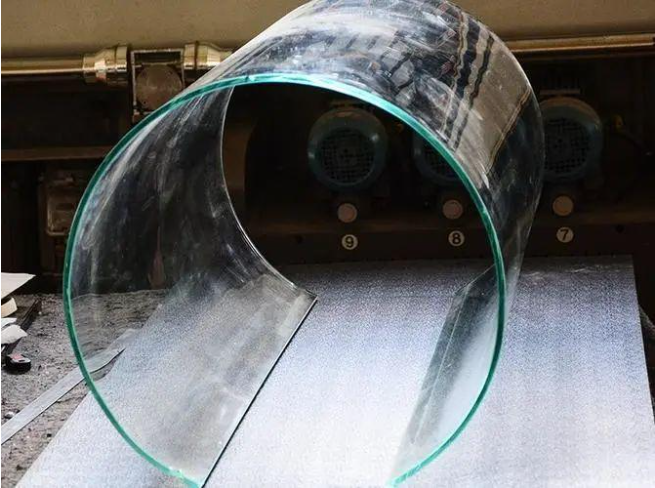
Stop Wasting Power on Your Glass Annealing
Let’s be honest: annealing is usually the biggest power hog on the production line. Most old-school heating setups are just inefficient. They spend half their time heating up the air around the glass instead of the glass itself. It’s a waste of money. We do things differently with short-wave infrared (IR) lamps. Instead of warming the whole room, these lamps target the glass directly. It cuts your kilowatt-hour draw per unit, which is a win for your bottom line. How it actually works We’ve tuned these lamps to a wavelength that glass just loves. The heat doesn’t drift around; it penetrates the tube wall almost instantly. This is a big deal for your floor layout. You can actually shorten your annealing tunnel or trim down your soak time without worrying about thermal shock. You stop paying to heat your factory floor and start putting that energy where it belongs. The gear under the hood We use high-purity quartz for the envelopes because this stuff takes a beating. Continuous cycling creates intense thermal stress, and quartz can handle it. Inside, the tungsten filaments are halogen-filled. This keeps the filaments from evaporating, so your wattage stays steady and the lamps last a lot longer. When it comes to the setup, we offer a few different connectors, like R7s or SK15. You want a tight fit here. A loose connection leads to arcing, and before you know it, you’ve burned out a socket. One quick tip: check your voltage drop if you’re running long lines. If you’ve got a high-wattage array, make sure your wiring gauge is thick enough to handle the current. You don’t want your wires overheating. The reality of the shop floor Now, I won’t tell you this is some magic wand. IR is powerful, but it’s intense and localized. If your conveyor speed is off, you’re going to have problems. You’ll see hot spots or, worse, distorted tubes. To get it right, you’ll need a solid PID controller to dial in the power. And don’t forget your cooling fans. Position them carefully so they protect the sockets from reflected heat. Get those small details right, and the whole system just hums.