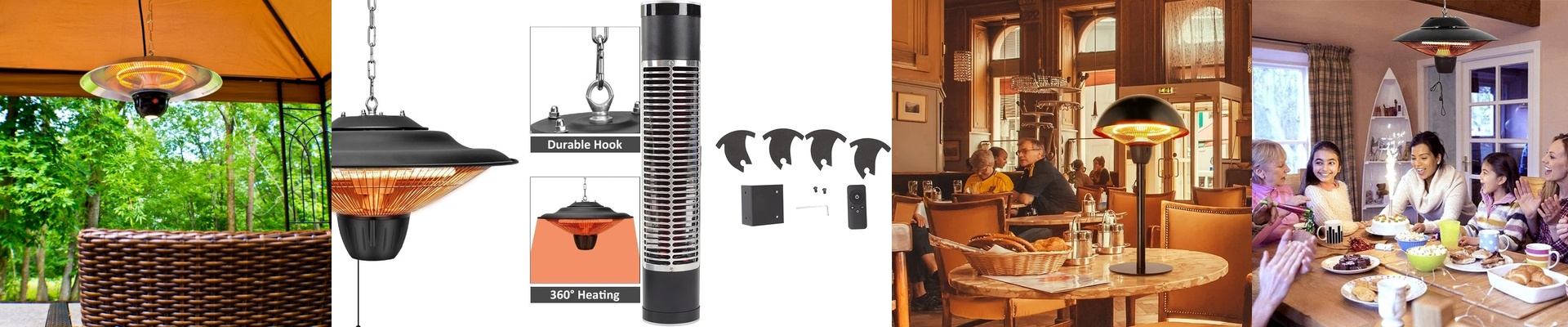

Why Shortwave Infrared is the Only Way to Heat a Bathroom
Nobody likes that shivering feeling when you step out of the shower and the air hits you. It’s the worst part of the morning. To fix that, we use shortwave infrared. Here is the secret: most heaters try to warm up the air. That takes forever, and the heat just floats to the ceiling. Infrared is different. It sends energy straight to your skin and the walls around you. You don’t wait for the room to warm up—you just feel the heat the second you flip the switch. The tech behind the warmth Inside these units, there’s a tungsten filament tucked inside a high-purity quartz tube. When it kicks in, it gets incredibly hot, sending out shortwave radiation. It’s a deep kind of heat. It doesn’t just sit on the surface; it actually penetrates your skin to warm you up from the inside out. Plus, because these things are so powerful, we can keep them small. You get a ton of heat without needing a bulky machine taking up half your ceiling. Dealing with the steam Bathrooms are basically steam rooms, and moisture kills electronics. We’ve handled that by sealing every electrical junction and using IP-rated housings. It keeps the steam out so you don’t have to worry about a short circuit. We also use a specific type of quartz glass. It’s tough. It can go from a chilly 15°C to a blistering 600°C in a heartbeat without cracking. We even reinforced the connectors, so the lamps stay put and don’t rust away in the humidity. A few things to watch out for Before you install one, just a heads-up: these lamps pull a lot of power. Check your wiring and your breakers first. You don’t want to be flipping the power back on every time you take a shower. Also, make sure your ceiling has some room to breathe. If there’s no ventilation in the void above the unit, the thermal cut-offs might trip to prevent overheating. If you’re replacing an old halogen system, these usually drop right in. Just be careful with the spacing. These units put out a lot of concentrated heat, so give any combustible ceiling materials some breathing room. Safety first.