Getting Your Fiberglass Annealing Right
Look, annealing fiberglass isn’t as simple as just plugging in a heater and hoping for the best. It’s really all about how you handle those internal stresses. If your temperature is off by even a few degrees across the width of the glass, you’re looking at warping or a total structural collapse. I see it all the time: shops try to solve this by just throwing a higher-wattage lamp at the problem. It almost never works.
The trick to heat density
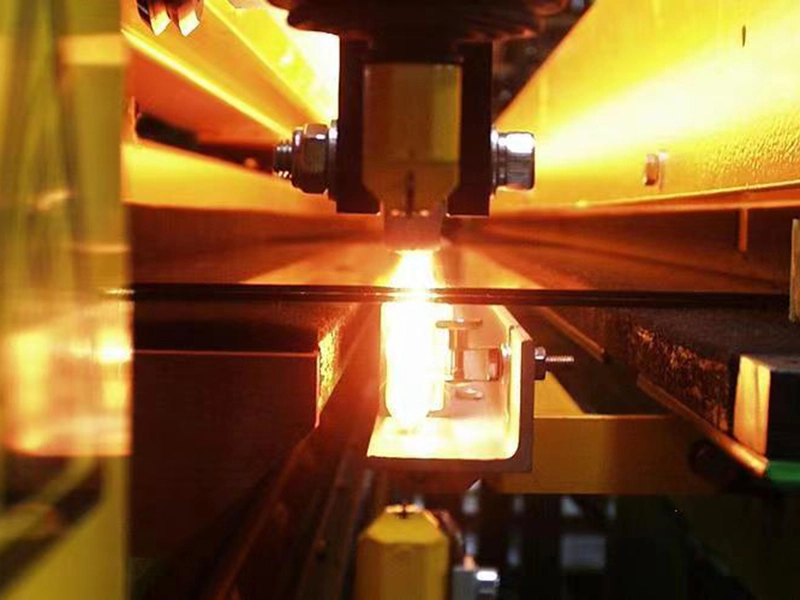
We build our heaters to hit specific infrared wavelengths. The goal is to get the heat deep into the fiberglass without scorching the surface. When we’re figuring out a system, we look at the voltage and wattage against how thick your glass actually is. You want high-density heat if you’re trying to move product fast, but that’s where it gets risky. Too much concentration and you get “hot spots.” The secret is balancing the power. We make sure the core of the fiberglass hits that sweet spot for annealing before the surface gets too hot to handle.
The gear that actually lasts
A factory is a brutal place for equipment. If the build is flimsy, it’s going to fail. We use quartz envelopes and special coatings to tweak the emission spectrum. Even the small stuff matters—like the connectors. They have to survive constant heating and cooling. If a socket is loose, you get arcing, and then your lamp burns out way too soon. We also keep the footprint small. Most of the time, our heaters just slide right into your existing chassis. But here’s a heads-up: we often find that the original chassis airflow is the real reason things are bottlenecking.
Why we prefer to see it in person
I’ll be honest—a datasheet doesn’t tell me anything about your line speed or how humid your shop is. That’s why we prefer to come on-site. We want to measure the actual temperature curve of your glass. If your cooling system can’t handle the heat dump from a 400V high-output array, those heaters are just going to overheat and die. Instead of following some theoretical model, we adjust the lamp spacing and power zones based on your actual scrap rates. We fix what’s actually breaking.