
Stop Stepping Into a Freezing Bathroom
Nobody likes that shock of cold tile on their feet first thing in the morning. We’ve all been there. That’s why we’re moving away from those old-school wall switches and hooking up infrared heating to smart home hubs. The goal is simple: you walk in, and it’s already warm. No shivering required.
How the heat actually works
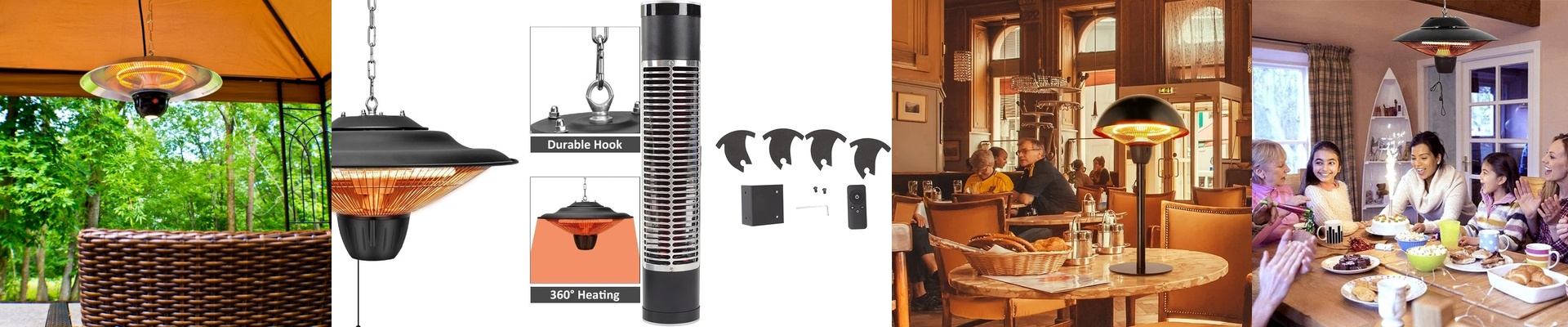
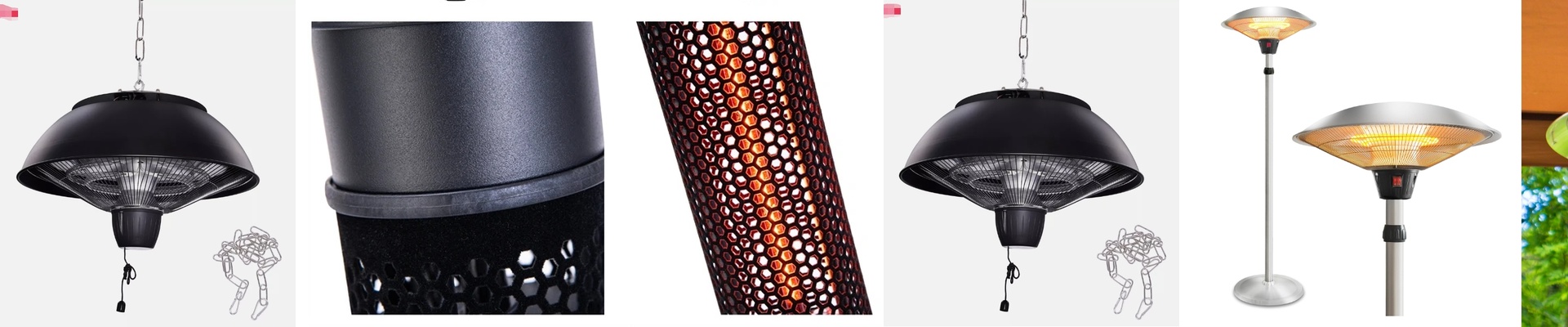
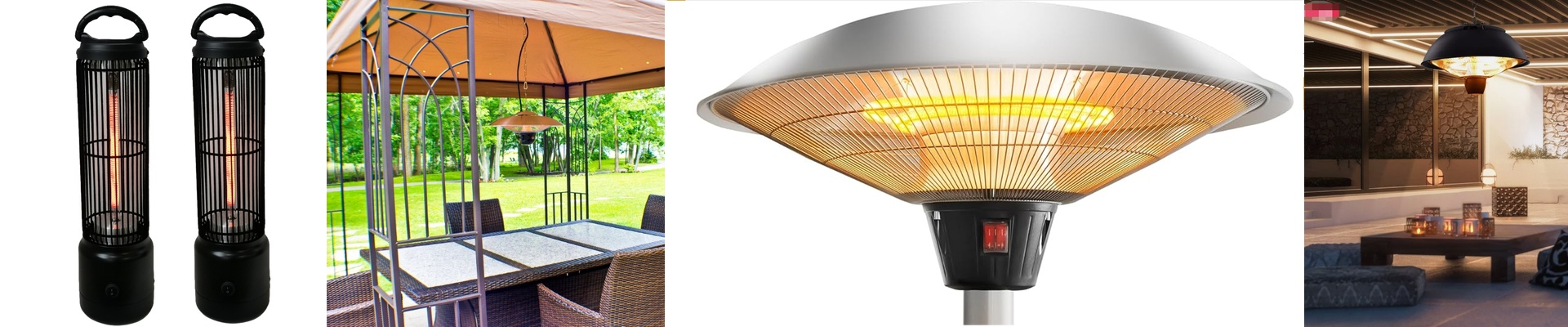
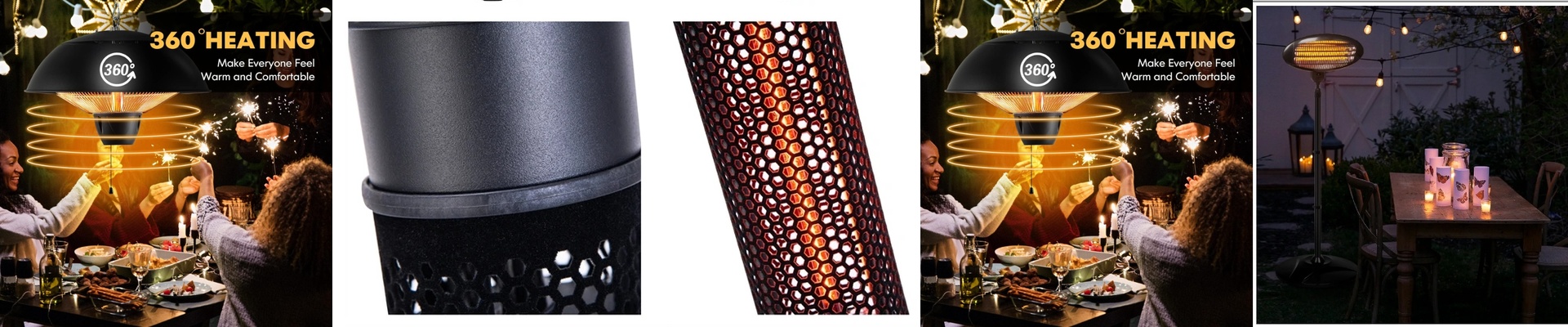
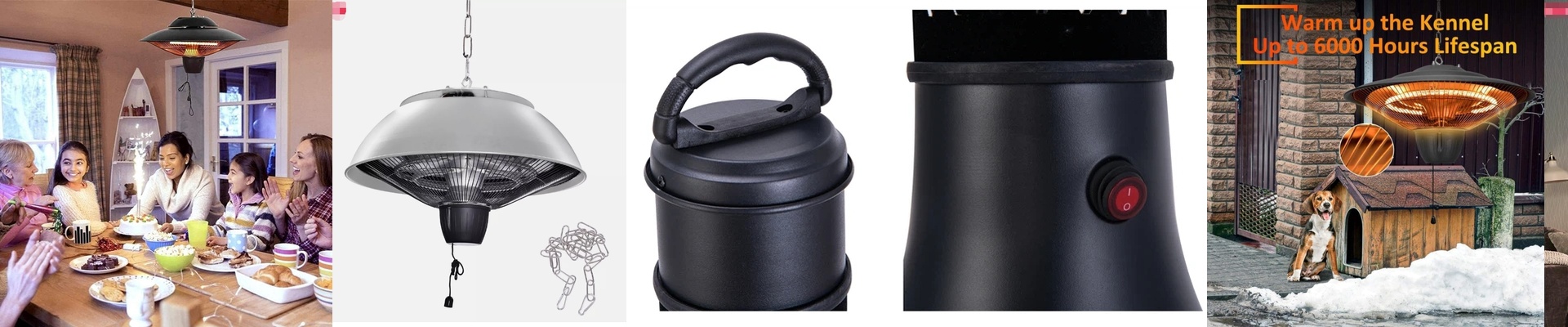
Here is the cool part. Most heaters try to warm up the air, which takes forever. Infrared is different. It sends out energy that hits you—and your towel, and the floor—directly. We use short-wave emitters because they’re incredibly fast. When you hit a button on your phone or tell your voice assistant to warm up the room, the filaments heat up in seconds. You don’t have to wait for the air to circulate.You just feel it immediately.
Making it “Smart”
To get this working with your home setup, we ditch the clunky mechanical switches. Instead, we use a Wi-Fi power module or a smart controller. This lets you set up a routine. Imagine your “Morning” trigger kicks the heat on five minutes before your alarm even goes off. By the time you roll out of bed, the bathroom is a sanctuary. But we have to be careful. If you blast these lamps at 100% in a tiny room, it’ll get way too hot. You might even trip a safety switch or damage the ceiling. To stop that, we use something called PWM or stepped power. It basically keeps the temperature steady and comfortable without turning your bathroom into a sauna.
A few things to watch out for
It’s not all plug-and-play. Adding smart tech to a bathroom means dealing with steam and humidity. Water and electronics don’t mix. That’s why we put the control modules in IP-rated boxes to keep the moisture away from the circuit boards. And one last tip: these heaters pull a lot of power. When a few of them kick in at the exact same time, it creates a big surge. Make sure your circuit breakers can handle the load, or you’ll be spending your morning staring at a dark room and a tripped switch.