
Stop Replacing Your Heaters: Why IPX5 and Anti-Mist Actually Matter
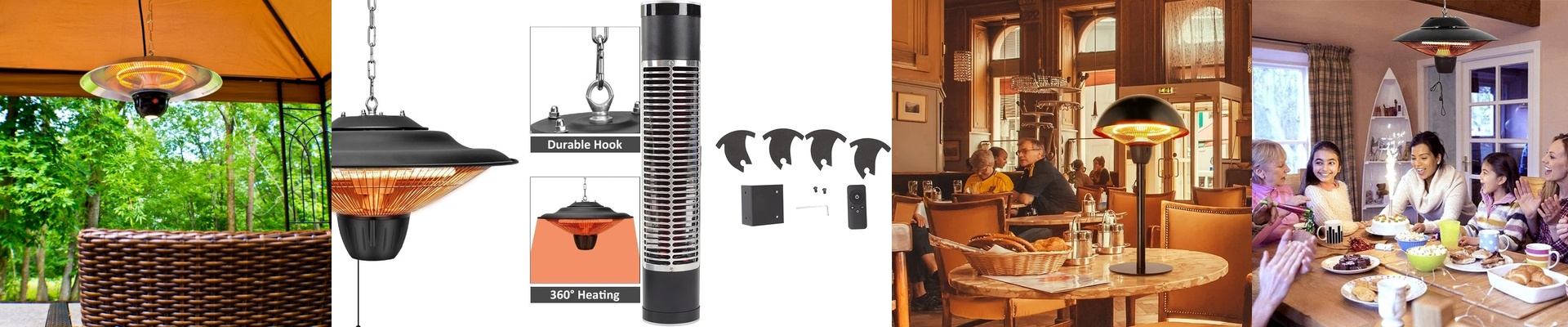
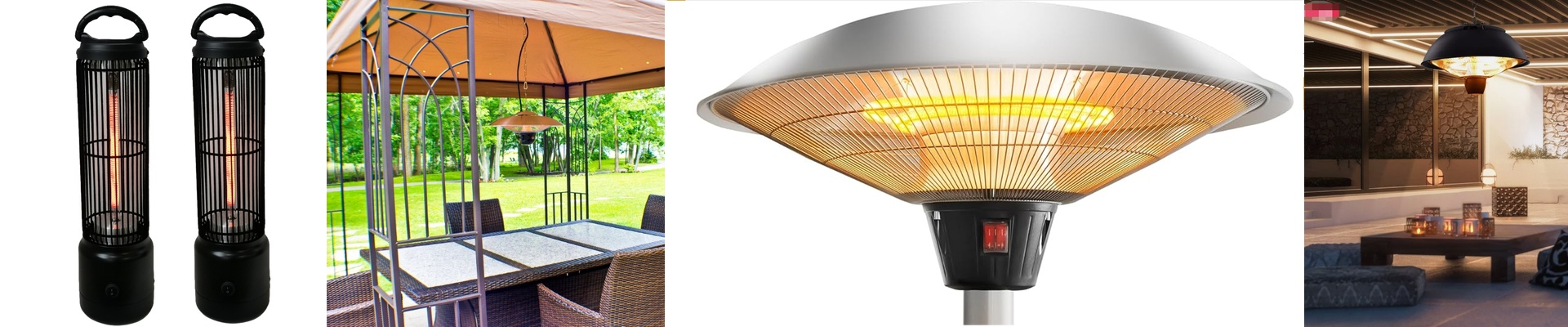
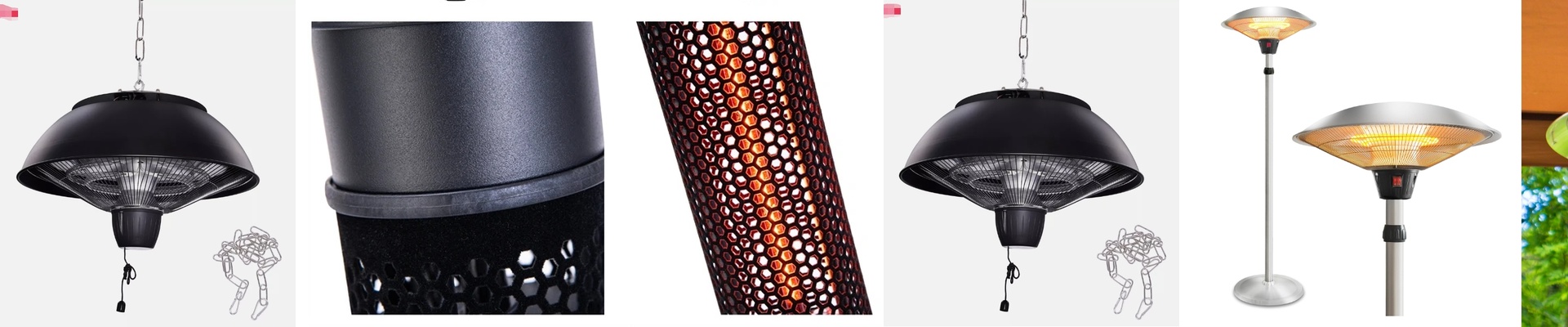
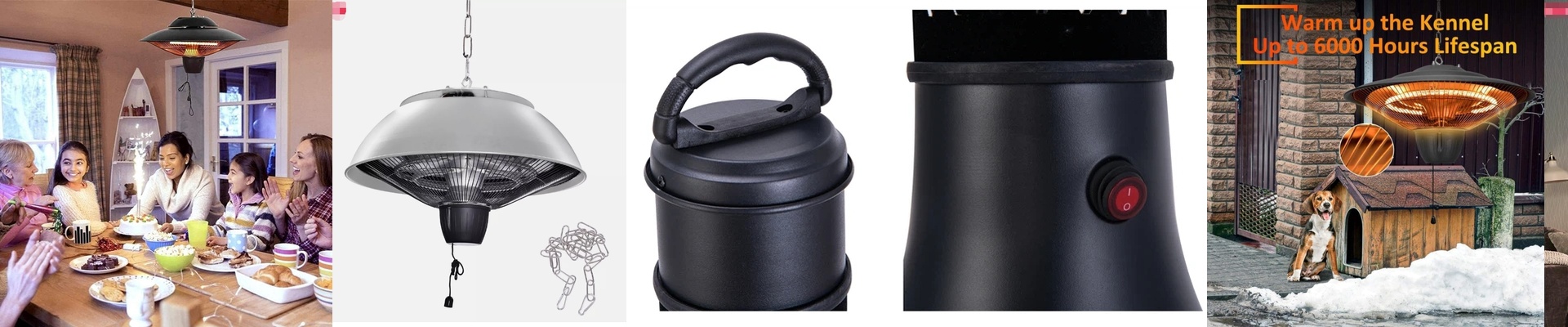
Water and dust are basically the natural enemies of industrial infrared heaters. It’s simple physics: moisture hits a scorching quartz tube or leaks into the electrical terminals, and—pop—you’ve got a short circuit or a cracked tube from thermal shock. We got tired of seeing that happen, so we built our best-selling units to an IPX5 standard. What does IPX5 actually mean for you? In plain English, it means the unit can take a hit from low-pressure water jets coming from any direction. We don’t just slap a cover on it; we use heavy-duty seals and gaskets to keep spray far away from the wiring. If you’re running a factory, this is a lifesaver. Coolant spray, routine wash-downs, or a random leak from a pipe above won’t kill your gear. Without that protection, water just seeps in, eats away at the internals, and burns the whole thing out way too soon. Dealing with the “Mist” Problem Then there’s the condensation. You know how it happens—the heater shuts off, the temperature swings, and moisture settles right on the lens or the element. That thin film of water is a problem. It blocks the heat from getting where it needs to go, and if it clumps up, it can cause the glass to cool unevenly. That’s how you get cracks. To fix this, we added anti-mist coatings and designed the airflow to keep droplets from sticking to the heating surfaces. It keeps the heat steady and the glass intact. The Honest Trade-off Look, nothing is perfect. Adding this kind of waterproofing means the unit has more physical shielding, so it’s a bit bulkier than a bare-bones heater. You’ll also want to make sure your mounting brackets can handle the extra weight of that sealed housing. But here is the real talk: we’ve seen these designs double the lifespan of heaters in humid shops. Sure, you pay a bit more upfront. But it beats the hell out of spending your weekend replacing lamps every six months. It’s a simple choice between a one-time investment and a never-ending cycle of maintenance downtime.