Stop Letting Your Patio Heaters Kill Your Vibe
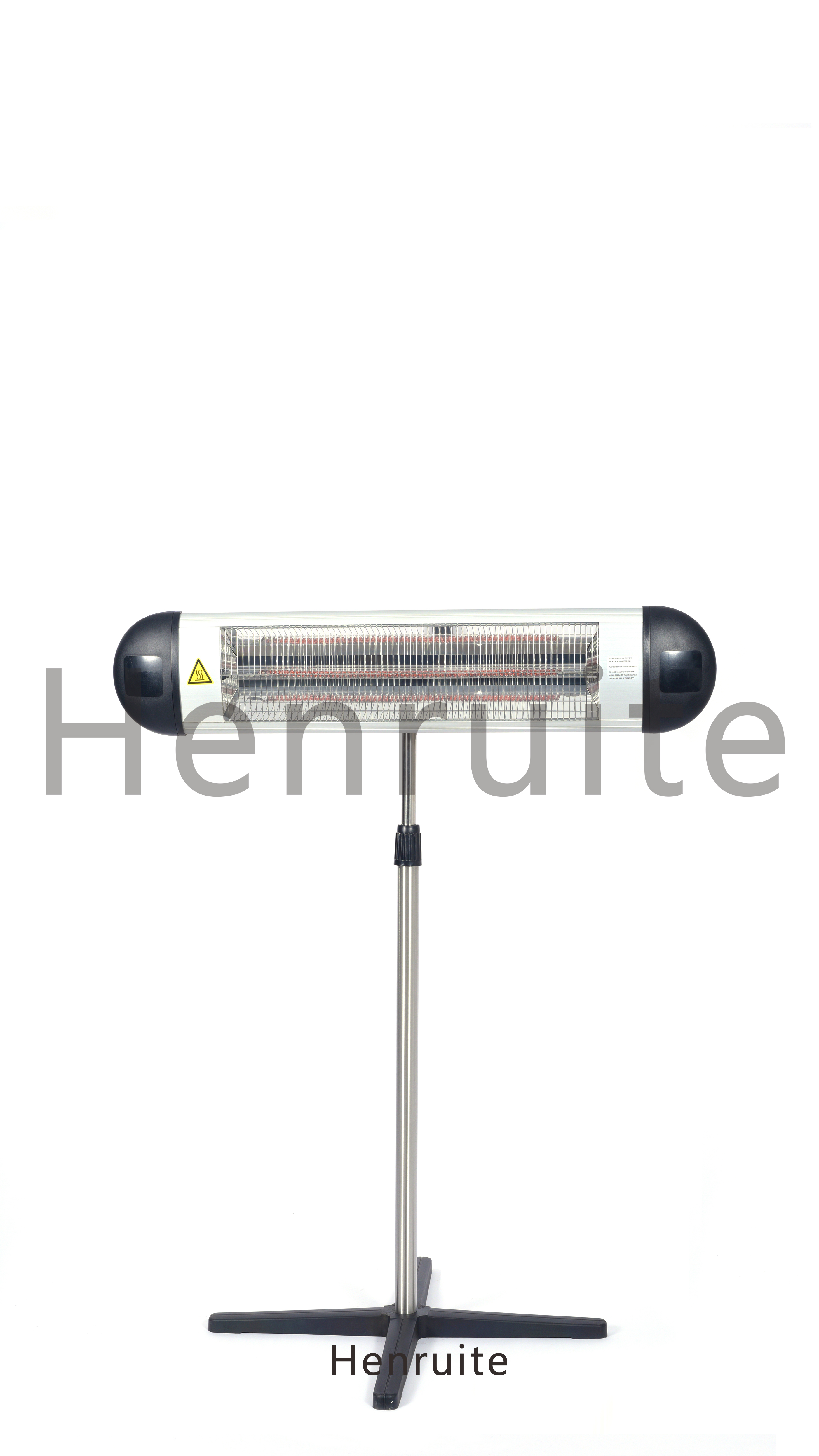
If you run a nightclub patio, you know the drill. It’s a brutal environment. Between the rain, the spilled drinks, and the constant bass vibrating through the floor, your equipment takes a beating. Here is the honest truth: heating elements are consumables. They’re going to burn out eventually. It’s just physics. The real question isn’t whether they’ll fail, but how much of a headache it is to fix them when they do. The “Drop-In” Secret Most heaters are built like a closed box. The heating tube is baked right into the chassis. When one goes out, you’re either staring at a total replacement of the whole unit or spending hours on a complex teardown. We did things differently. We went with a modular system. Think of it like a cartridge. The heating element sits in its own sealed pod. So, when a tube finally gives up after five years of heavy lifting, you don’t have to rewire the entire fixture. You just pull the old module out, slide a new one in, lock it down, and you’re back in business. Keeping Water Out (Without the Stress) Waterproofing is usually where maintenance goes to die. To get those high IP ratings, companies typically seal everything shut, which means if you need to get inside, you’re basically performing surgery. We solved that with gasketed access panels. You get a tight seal that keeps the rain from causing a short circuit, but you can actually get to the wiring without drilling holes through the casing. One quick heads-up, though: these things put out a lot of heat. The internals are waterproof, but the outer shell gets hot—really hot. Just make sure your mounting brackets leave room for the metal to breathe and keep the units away from anything that might catch fire. The Reality of the Fix In the real world, this means a technician can swap a tube in under ten minutes. No soldering. No specialized electrical crews. No paying a premium for a “specialist” to do a simple job. Since the heating element is basically plug-and-play, you keep the expensive parts—the housing and the power supply—and only replace the quartz tube and its contact. It’s a much cheaper way to keep your guests warm.