

How to Actually Heat Outdoor Spaces (Without the Wait)
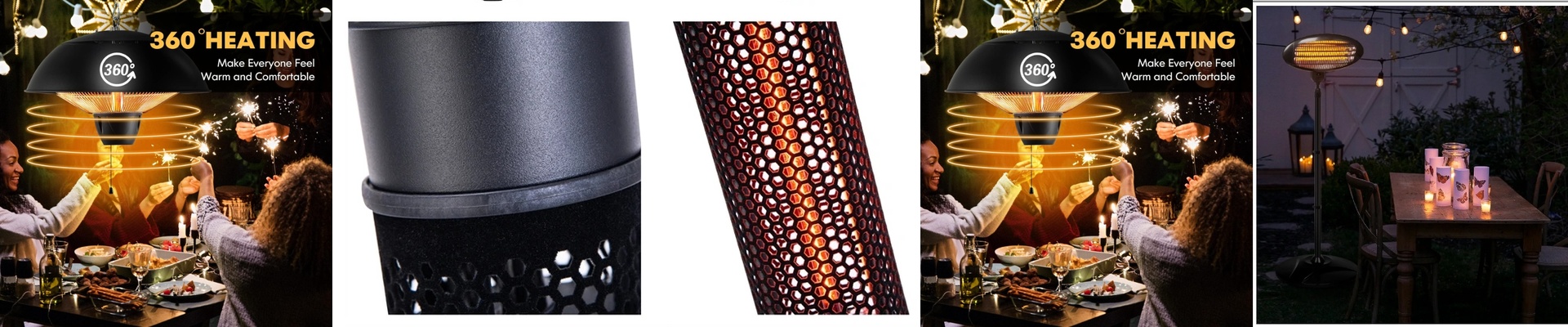
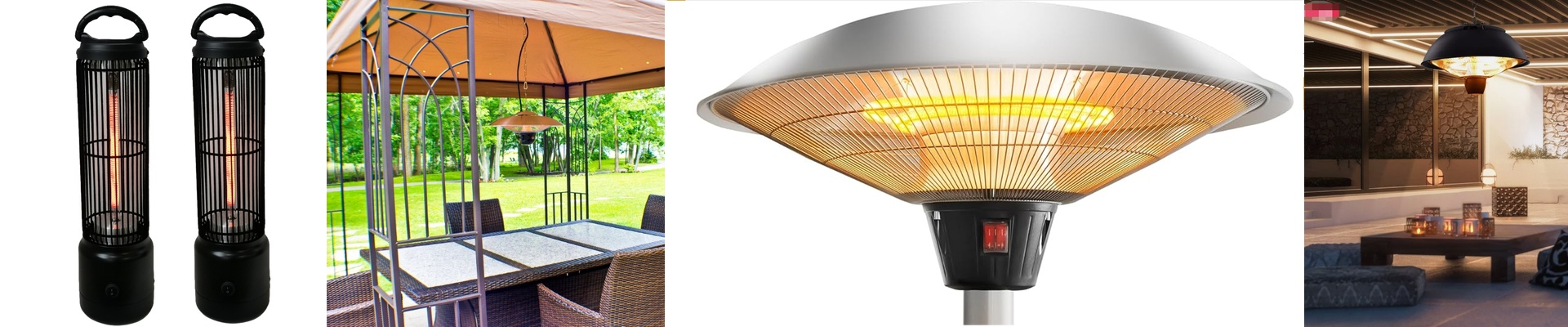
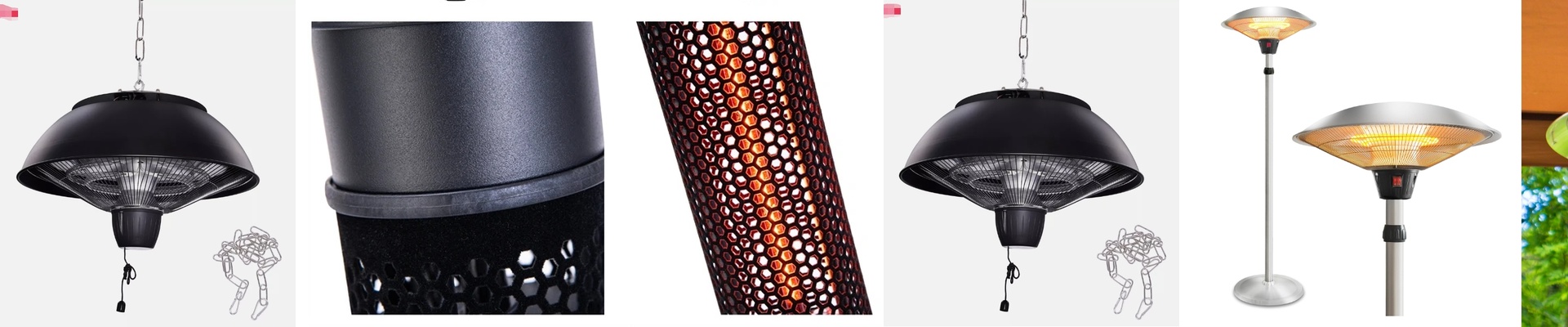
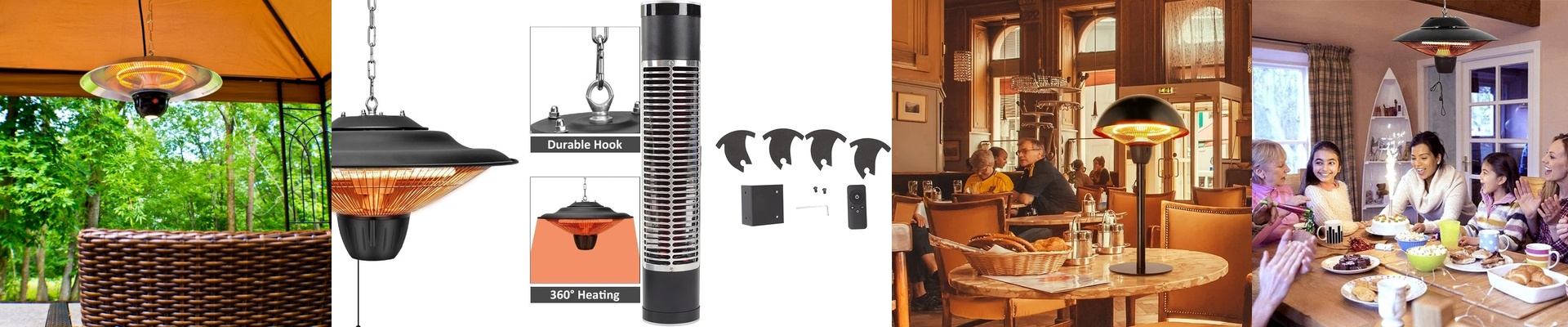
If you’ve ever tried to heat a poolside deck or a changing area, you know the struggle. You can’t really “heat the air” when the wind is blowing right through it. It’s a waste of energy. Instead, we focus on the people. That’s where shortwave infrared (IR) comes in. Think of it like the sun. You can feel the sun’s warmth on your skin even if the air around you is freezing. It doesn’t wait for the breeze to warm up; it just hits you. It’s fast. Really fast. Which is why a freezing cold changing room feels cozy the second you step inside. The secret sauce Inside these units, there’s a tungsten filament tucked into a quartz tube. When you flip the switch, that filament gets incredibly hot and sends out radiation that cuts right through your clothes and hits your skin. I love using these for high-traffic spots. There’s no “warm-up period” where guests are shivering for ten minutes. It’s instant. Dealing with the elements Outdoor gear takes a beating. Between the humidity and the random splashes of water, things can go south quickly if you aren’t careful. To keep everything from shorting out or rusting away, we seal the electrical junctions and use IP-rated housings. We also use coated quartz tubes to keep the filaments safe from the grime and salt in the air. One quick tip: check your wiring. If you’re running power over a long distance, make sure the gauge is right for the wattage. Otherwise, you’ll deal with voltage drops, and your heaters won’t actually hit the temperature they’re supposed to. The tricky part: Placement These heaters pack a massive punch in a tiny package. That’s great for saving space, but it creates a “hot spot” directly under the lamp. You have to get the height and the angle just right. Mount them too low, and you’ll practically cook your guests. Mount them too high, and the heat vanishes before it ever reaches them. It takes a bit of math and a few adjustments, but that’s the only way to get that smooth, high-end warmth without any weird cold patches.