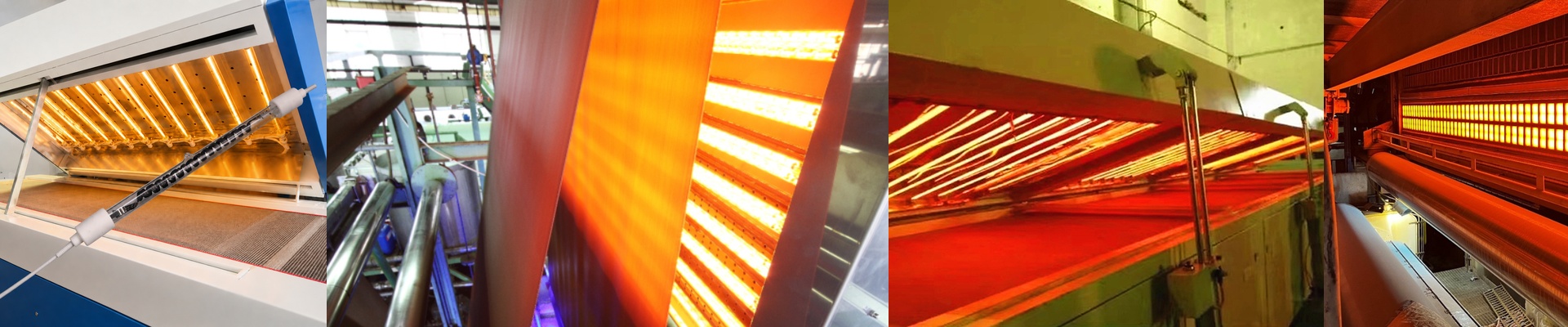
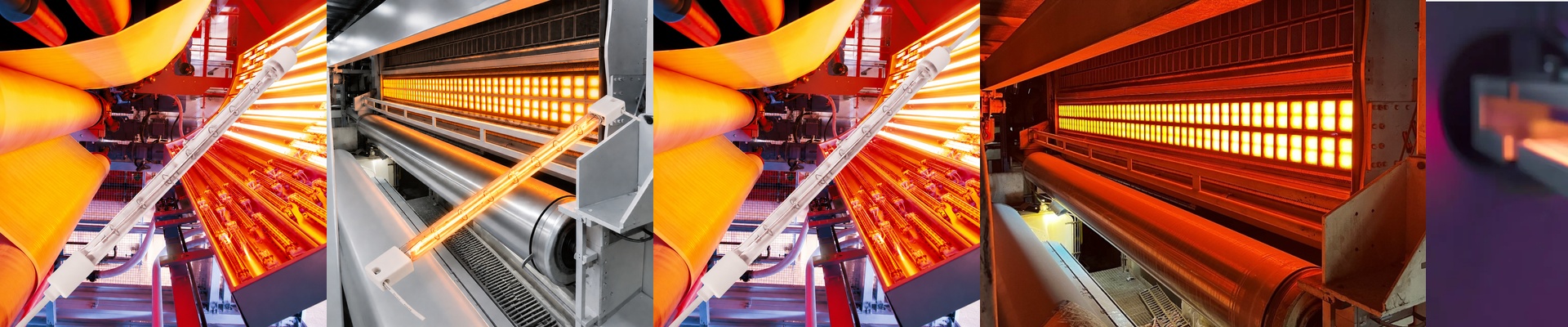
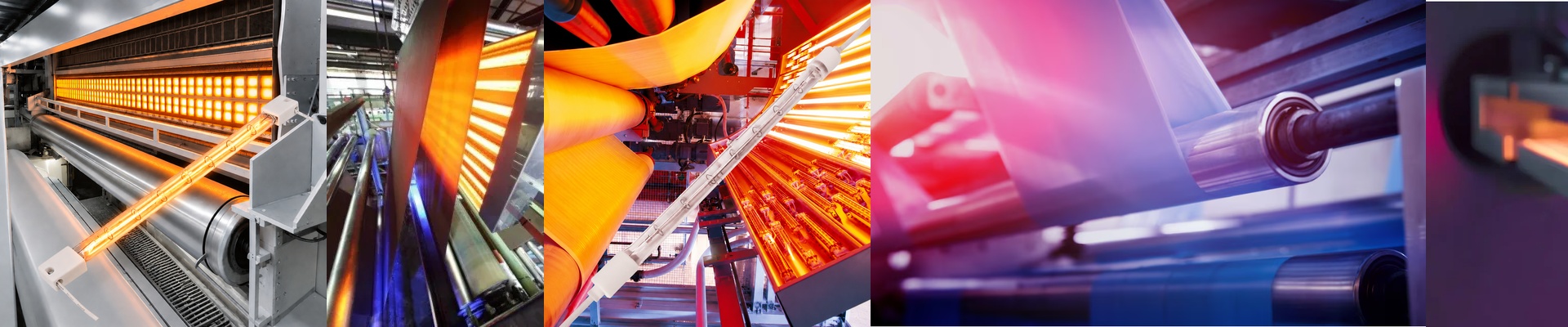
Getting Your Heat Right in Textile Production
Let’s be honest: curing and drying fabric is a balancing act. You need enough heat to set the chemicals and tension the fabric, but one wrong move and you’ve scorched a whole roll of material. It’s a nightmare. That’s why we build our infrared lamps the way we do—to give you that precision without the panic. The deal with heat density We play around with voltage and wattage ratios for a reason. If you put a high-wattage lamp in a small footprint, you get intense short-wave radiation. In plain English? You hit your target temperatures way faster. But here’s the catch: you’ve got to match your power supply to the specs exactly. If you over-volt the tube, you’ll fry it. If you under-volt it, your line speed crawls because the fabric just isn’t getting hot enough. It’s a tight window, but when it’s dialed in, it works beautifully. Better glass, better penetration We use high-purity quartz. Why? Because it doesn’t freak out when you cycle the heat on and off rapidly. Plus, a lot of our lamps have special coatings. Instead of just searing the surface of the fabric, these coatings push the heat deep into the fibers. And we kept the connectors simple. We use standard R7s or SK15s. They’re basically drop-in replacements for most industrial ovens, so your team can swap them out during a maintenance window without needing a degree in electrical engineering. Real-world tips (and a few warnings) These lamps are workhorses. They can handle continuous duty in drying tunnels, whether you’re running heavy cottons or synthetic blends. Just a heads-up: high-output IR lamps put off a ton of ambient heat. If your ventilation isn’t up to the task, you might accidentally cook your own control electronics. One last thing—**keep your reflectors clean.**It sounds basic, but dust buildup on the mirror can kill your efficiency by 20%. When that happens, the lamps have to run hotter to make up for it, which just wears them out faster. Keep them shiny, and they’ll keep working.