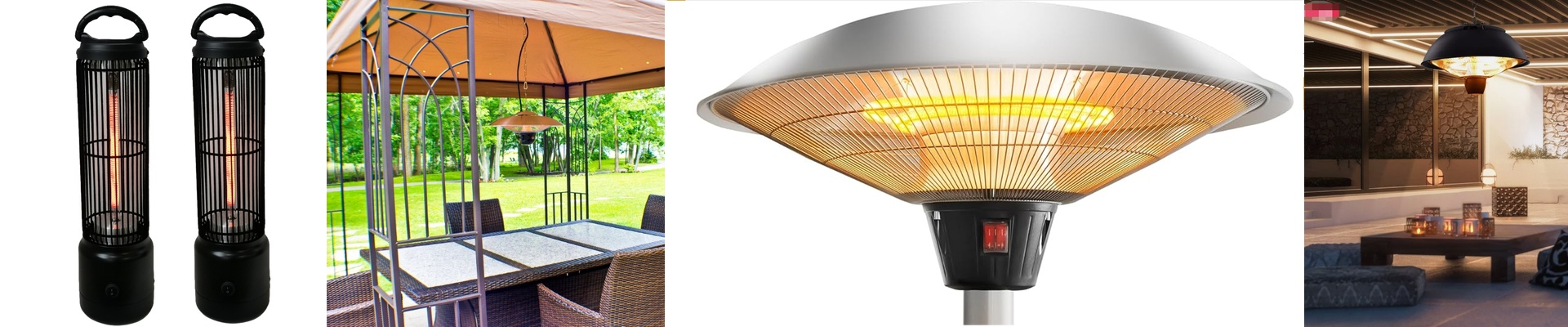
Stop Waiting Weeks for Your Glass Line to Start Moving Again
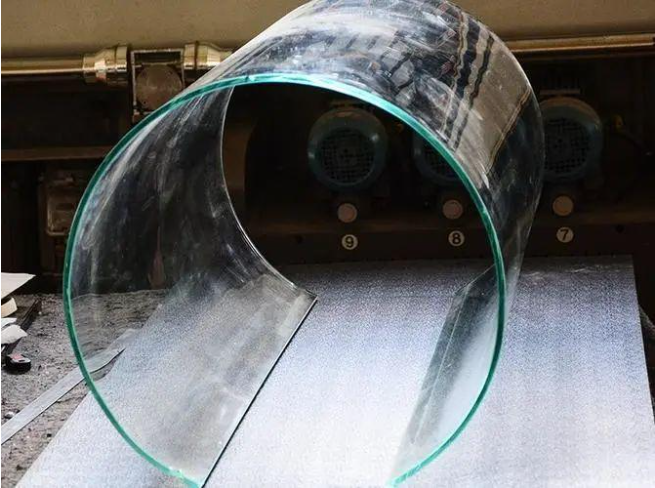
There is nothing worse than a production line sitting dead because one OEM spare part is out of stock. It’s frustrating. It’s expensive. And frankly, it’s a nightmare for whoever has to explain the downtime to the boss. That’s why we do things differently. We handle emergency custom infrared lamps for borosilicate glass, and we get them to you in 7 days. We aren’t talking about “close enough” parts. We match the thermal profile of your specific machine so you don’t have to spend hours—or days—recalibrating your entire setup just to get back to work. Getting the fit right the first time Borosilicate glass is picky. If your temperature gradients are off, you get internal stress and cracks. Not a good look. We look at your voltage and wattage and match your power supply exactly. If you’re running high-voltage arrays, we build for that. Why? Because a mismatch doesn’t just mess with the heat—it can fry your controllers or trip your breakers. We also obsess over the length and diameter. The lamp should slide right into the existing housing. No filing, no forcing, no “making it work.” The nuts and bolts of the build Depending on what your shop floor looks like—and what chemicals are floating around—we use either high-purity quartz or borosilicate envelopes. For the heavy-duty jobs, we use halogen-filled tubes to really crank up that radiant output. As for the connectors, we stick with R7s or SK15. They’re simple. They’re fast. When you’re in the middle of an emergency shutdown, you don’t want to be rewiring a machine. You just want to plug it in and get the line moving. A quick word of caution on heat Here is the trade-off. High-wattage short-wave lamps are great because they dump a massive amount of heat onto the glass surface. Your cycle times drop. You make more parts. But there’s a catch. That kind of intensity puts a lot of pressure on your lamp holders and cooling fans. If your cooling system is old or clogged with dust, these high-output lamps can eat through your surrounding wiring. Do yourself a favor: check your airflow before you jump up to a higher wattage custom build. It’ll save you another headache down the road.