Making High-Ceiling Infrared Heaters Actually Work With Your Smart Home
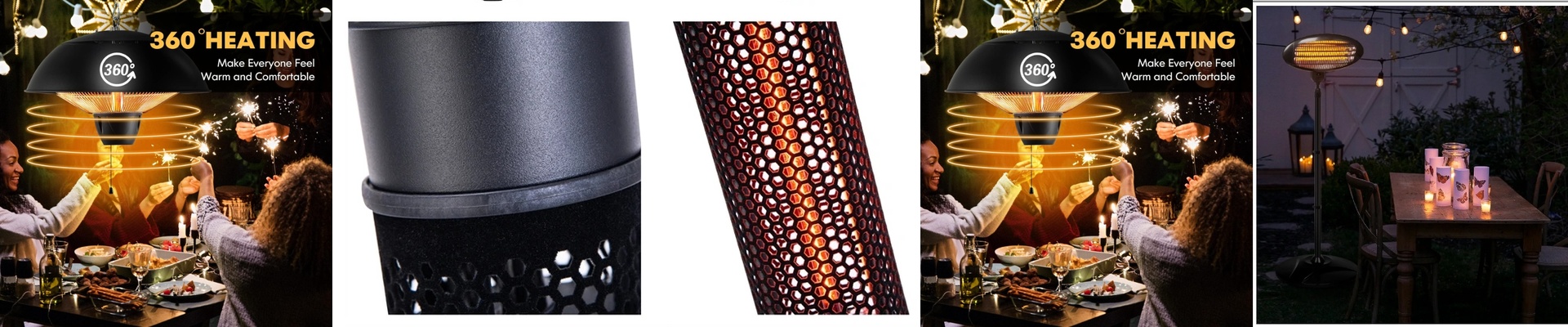
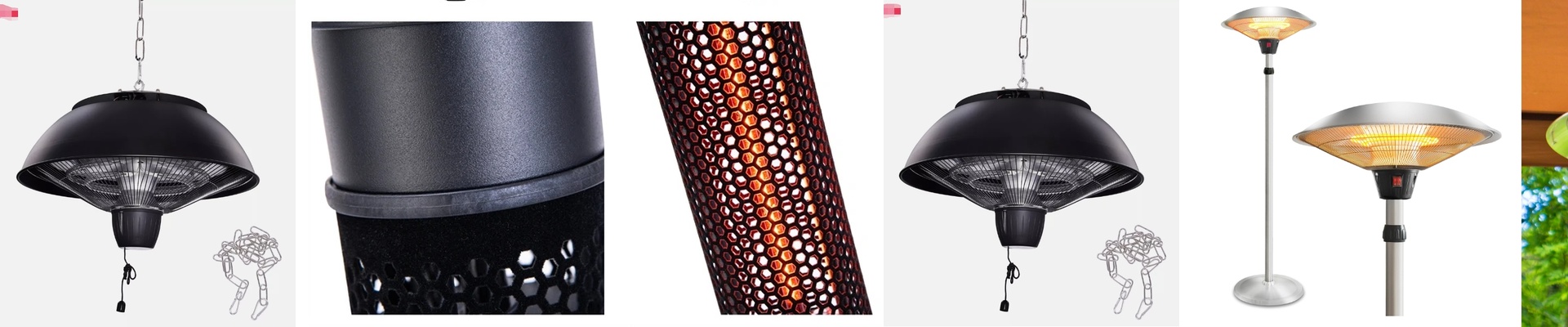
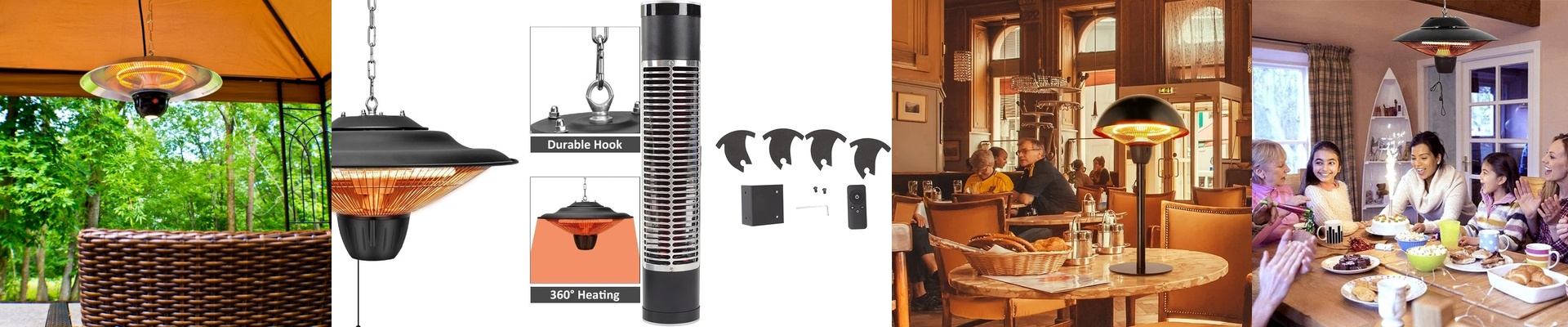
Ever spent time in a warehouse or a big own-loft apartment and noticed that the ceiling is boiling while your toes are freezing? That’s because most heaters just warm the air, and hot air loves to climb. Infrared is different. Instead of fighting the air, it sends heat straight to you and your furniture. It’s like stepping into a patch of sunlight on a cold day. You feel it instantly.
Getting the “Smart” Part Right
To get these things talking to your phone or voice assistant, we usually lean on Zigbee or Matter. It’s basically a digital handshake that lets your devices communicate. The best part? The speed. When you tap a button on your app, the system doesn’t mess around with slow, old-school thermostats. It sends a signal straight to the heating element. If you’re using short-wave quartz lamps, you’ll feel the warmth in seconds. Plus, we add occupancy sensors. There’s no point in heating a giant empty room, so the system just shuts itself off when you leave.
A Warning on the Hardware
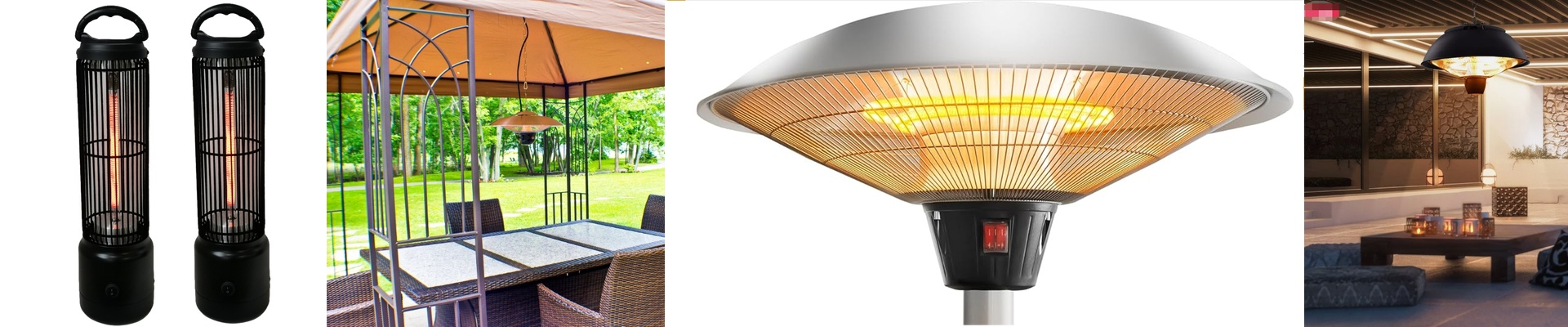
Here is where people usually mess up:do not plug a high-wattage infrared heater into a cheap smart plug. Seriously. You’ll fry the internal relay almost immediately. These heaters pull a lot of power. To do this safely, we use heavy-duty contactors or power modules that can actually handle the amperage. Also, keep an eye on your electrical panel. If you’re installing a few 2kW units, you need to make sure your home’s wiring has enough headroom. You don’t want the breakers tripping every time you want to get warm.
The Reality of Setup
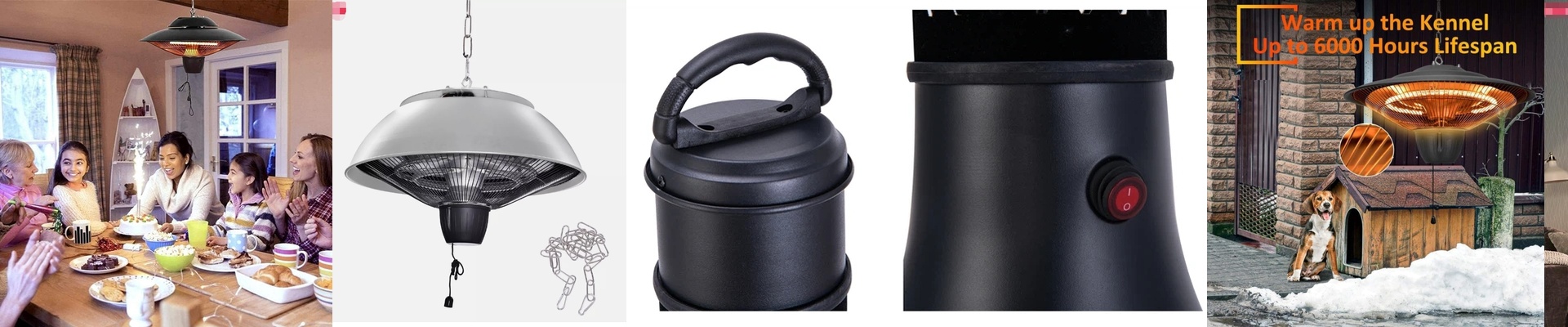
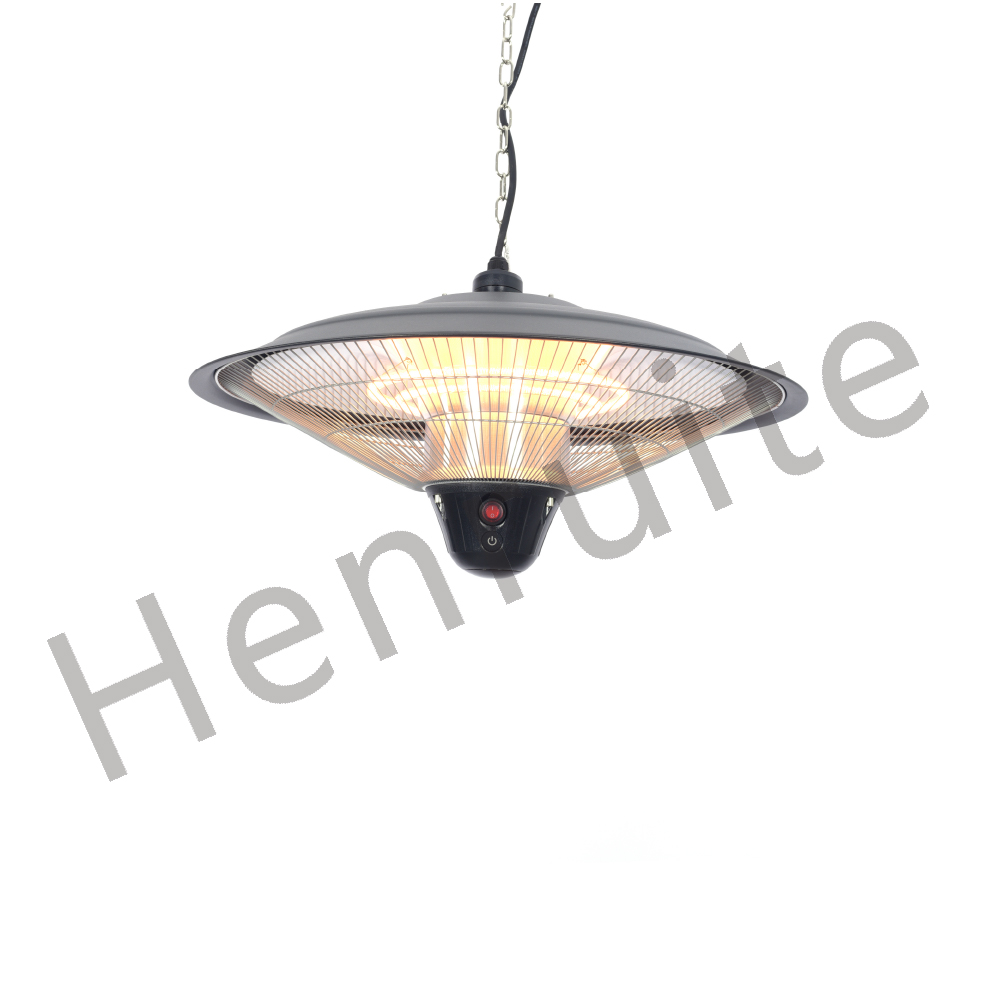
Placement is everything. Since infrared heat travels in a beam, you have to get the angle and height just right. If you mount the heater too high, the heat dissipates before it reaches you. Too low? You’ll have “hot spots” that feel like you’re standing too close to a campfire. We usually solve this with dimmable controllers. It lets the smart system tweak the power levels in real-time, so the room feels like a steady, warm spring day rather than a cycle of freezing and scorching.