Why Your bathroom Heater Needs Explosion-Proof Quartz
Bathrooms are tough on electronics. You’ve got thick steam one minute and a freezing cold breeze the next. If you’re putting in an infrared wall heater, the heating element is basically fighting a war against thermal shock. Here’s the problem: if a stray drop of cold water hits a standard quartz tube while it’s glowing hot, it can crack. Or worse, it can shatter.
The Safety Net
That’s why we stick with explosion-proof quartz tubes. Think of them as the heavy-duty version of standard glass. They’re built to handle those wild temperature swings without flinching. But let’s be real—nothing is indestructible. If a tube does happen to break, the “explosion-proof” part means the glass doesn’t spray across your shower floor. Instead, it stays contained or crumbles into dull pieces. It’s that peace of mind you want when you’re stepping out of the bath.
Getting the Heat Right
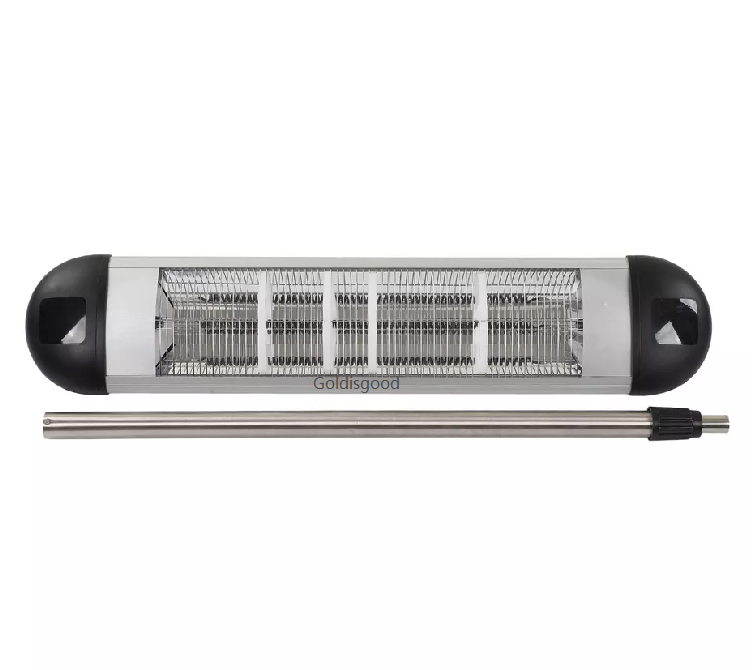
These heaters use short-wave infrared. The quartz tube acts like a window, letting the heat blast through while the halogen filament inside gets scorching hot. It’s why your bathroom feels warm in seconds rather than minutes. One quick tip:check your voltage. If you put a 220V tube into a circuit with higher voltage, you’re going to fry it. You’ll kill the lifespan of the filament and put way too much stress on the glass. It’s just not worth the risk.
A Couple of Things to Watch For
The best part about these units is that they heat you, not the air. It’s a godsend for damp rooms. But there’s a catch. Because the heat is so intense and localized, you have to be careful where you mount it. If it’s too close to a plastic shelf or some cheap cabinetry, you’re going to end up with warped furniture. Just give the unit some breathing room. Make sure the mounting bracket leaves enough space for the heat to move away from the back of the device. Your walls will thank you.