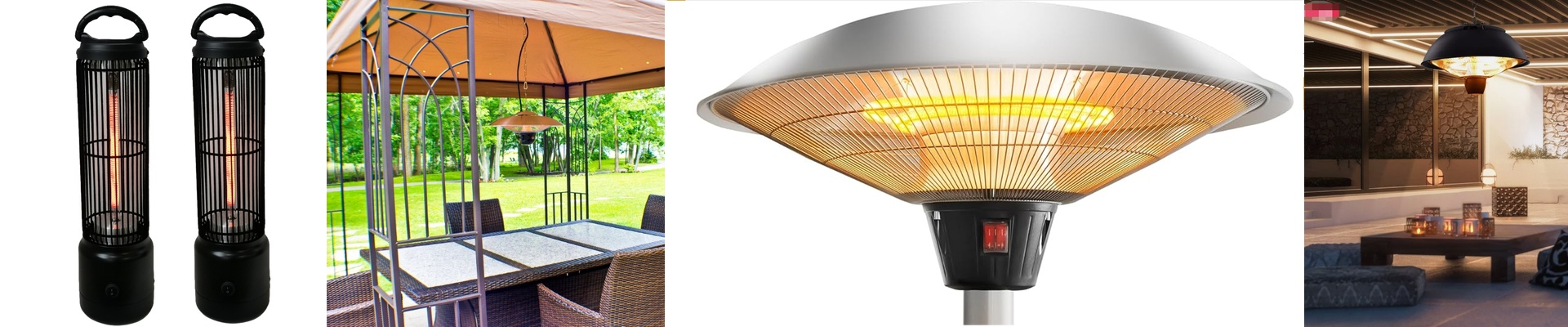
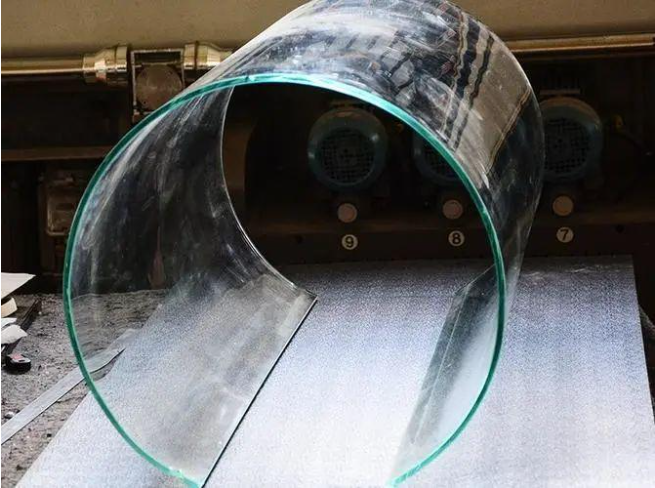
Let’s be honest: off-the-shelf infrared lamps are great until they aren’t. If your bending furnace has a weird footprint or a tight heating chamber, those standard tubes just don’t cut it. You end up fighting cold spots and uneven softening, which is a nightmare when you’re trying to get a clean bend. We fix that by building lamps that actually fit your specific machine layout—no forcing, no compromising. Getting the heat exactly where it needs to be Changing the length of a lamp isn’t just about making it fit in the slot. It’s about the power. When we shorten a tube but keep the power high, we’re cranking up the heat density. This means you hit that glass transition temperature way faster. It feels snappier. You get a much tighter thermal profile. One heads-up, though: packing that much power into a smaller space puts a lot of stress on the quartz envelope. Just make sure your mounting brackets give the lamp some room to breathe and expand, or you’re looking at a cracked tube. Picking the right “hit” of heat For rapid glass molding, shortwave IR is usually the way to go. It dives straight into the glass instead of wasting time heating up the air around it. Depending on your project, we can tweak the coatings or the filaments. Maybe you need a sharp, immediate blast of heat. Maybe you need a slower, deeper soak. And if a straight line isn’t working, we can do U-shapes or curves. Wrapping the heat source around the workpiece is a lifesaver because it kills those annoying “shadows” you get with linear arrays. Getting it running We want these to be a “plug and play” experience. Whether you need specific lead wire lengths or a weird connector to match your old setup, we build it to your schematics. It should just slide right in. Just a quick tip: double-check that your power supply can handle the total load of the new array. You don’t want to be tripping breakers the moment you ramp things up.