

The 5-Year Reality Check
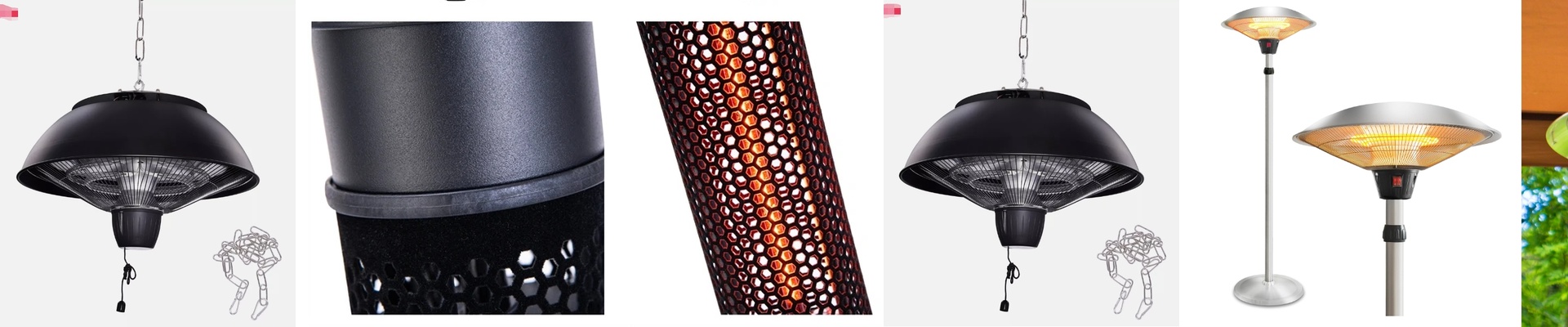
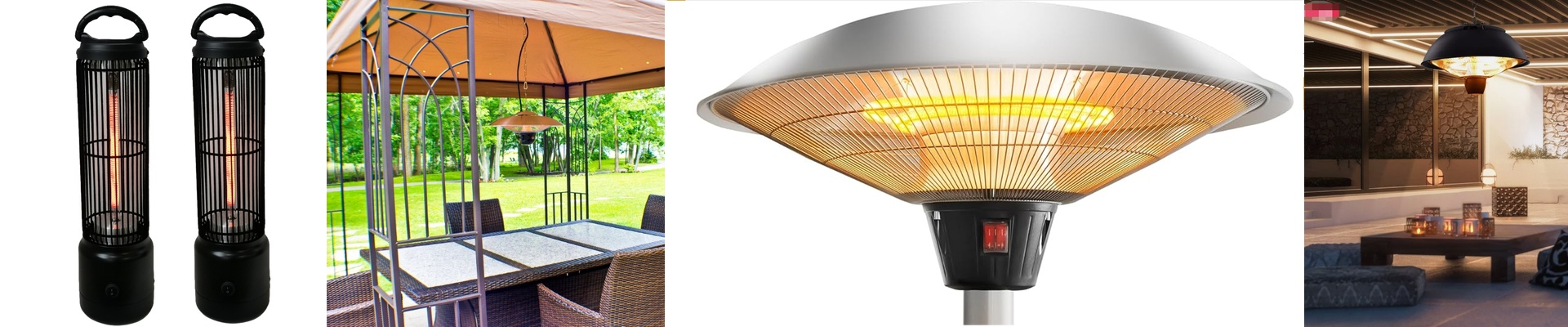
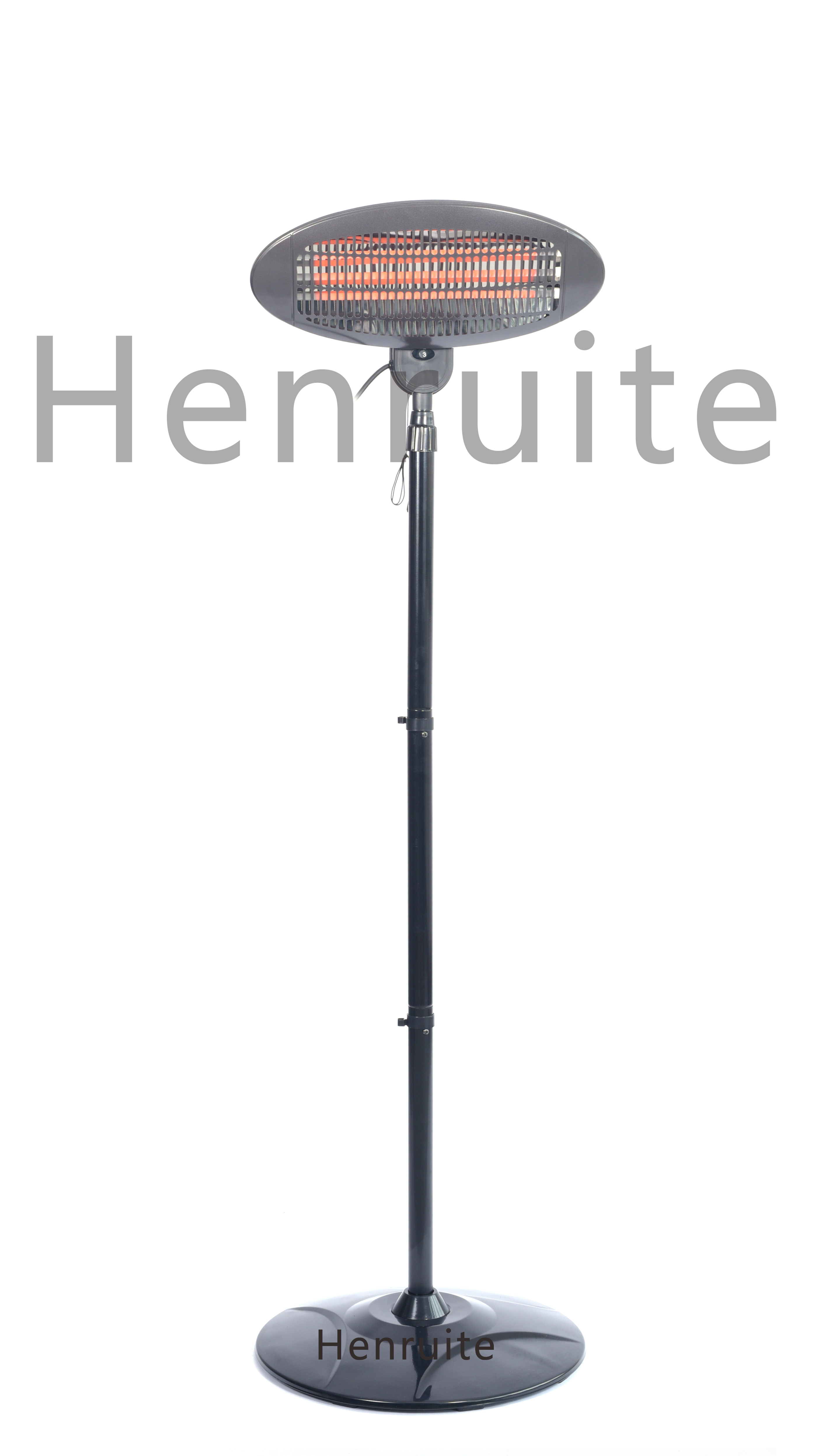
Most outdoor heaters look fantastic the day they arrive on the truck. But the real test? That happens in year five. When a heating element finally gives out after years of battling the elements, the last thing you want is to rip out the entire chassis or spend your afternoon rewiring a junction box. It’s a nightmare. That’s exactly why we built our IP66 infrared modules the way we did.
Stop replacing the whole machine
We went with a modular setup. Instead of hard-wiring the heating element into the main housing, we tucked it into a dedicated slot with quick-disconnect terminals. Think of it like a cartridge. If a tube fails, you just swap the module. You don’t throw away the machine. It turns a grueling four-hour teardown into a ten-minute job.**Ten minutes.**That’s the difference between a quick fix and a ruined weekend.
The trade-off with waterproofing
Now, let’s talk about the IP66 rating. In plain English, it means this thing can handle heavy seas or a direct blast from a high-pressure hose without blinking. To get that kind of seal, we use heavy-duty gaskets and reinforced housing. But there’s a catch. Because the unit is sealed so tight to keep the water out, the heat from the internal electronics can’t escape as easily. Just keep this in mind: make sure your installation spot has some decent airflow. You don’t want the control board sweating through a peak summer heatwave.
Real-world maintenance
Field work is messy. We get it. That’s why we used fasteners you can actually reach without needing a bag of specialized tools. You can get in there, pull the dead element, and drop in a fresh one without even messing with the main waterproof seal. We obsessed over “swap-out speed” because that’s where the real money is saved. Less time spent tinkering means lower labor costs and a heater that actually stays running season after season.