Why Your Bathroom Changing Area is Still Freezing (And How to Fix It)
Ever stepped out of a shower or a sauna into a changing area and felt that immediate, bone-chilling draft? It happens because standard heaters are basically useless in open spaces. They heat the air, and since hot air likes to head straight for the ceiling, it’s gone before it ever touches your skin. We handle this differently. Instead of trying to warm up the whole room, we use shortwave infrared (IR). Think of it like the sun. You don’t feel the air around you getting warm when you step outside on a winter day—you feel the sun hitting your skin. That’s exactly how this works. It turns a freezing zone into a cozy spot in a few seconds.
The secret sauce: Fast heat
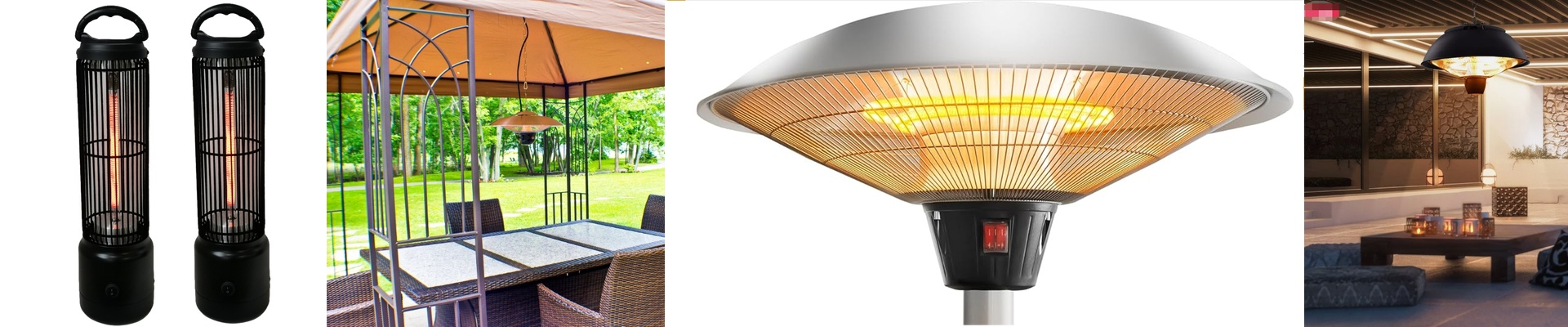
We use quartz halogen tubes to get this done. These things get incredibly hot and send out energy that moves at the speed of light. It doesn’t need to push air around or wait for a fan to kick in. It just hits you and converts to heat instantly. When we’re designing for high-end bathrooms, we crank up the wattage so the warmth is there the second you flip the switch.
Getting the build right
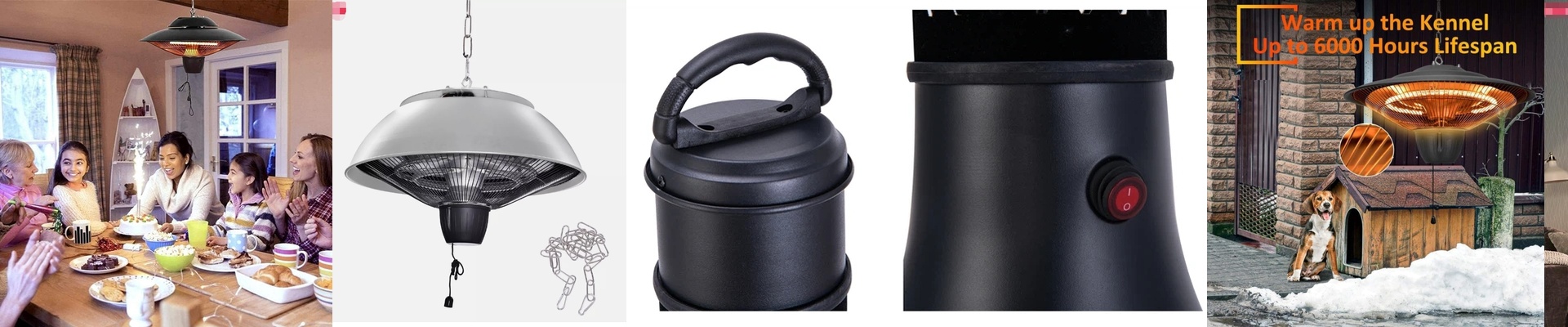
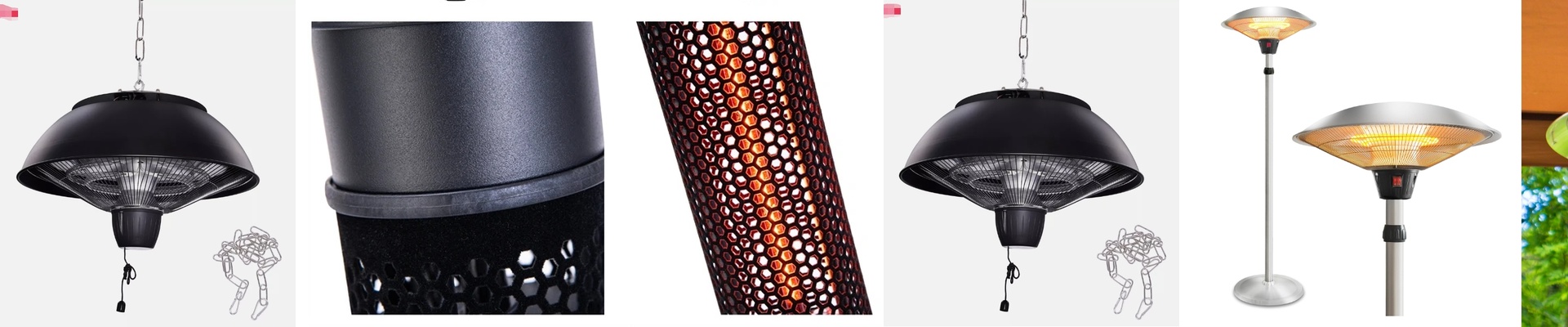
Fitting these into a mirror isn’t just about plugging them in; the details matter. We use high-purity quartz glass because it lets the IR rays pass through without blocking them. To keep the tubes from burning out, we use a halogen gas fill. It basically recycles the tungsten back onto the filament, so the heater lasts much longer. Then there’s the shape. We use parabolic aluminum reflectors to aim the beam. Without them, half your heat would just leak into the ceiling. Instead, we point it exactly where you need it—down toward the floor. One pro tip: we always use spring-loaded connectors. Quartz expands when it gets hot. If the mounting is too tight, the glass will just snap during the first few uses.
A few things to watch out for
Here’s the catch: these heaters pull a lot of power. You can’t just piggyback them onto your lighting circuit or you’ll be tripping breakers all day. They need their own dedicated lines. And since the tubes get seriously hot to the touch, we always wrap them in protective grilles. It’s a simple addition, but it keeps people from accidentally burning themselves.